English 


Views: 0 Author: Site Editor Publish Time: 2026-08-20 Origin: Site


Homeowners evaluating window replacements frequently encounter a noticeable price premium for casement styles compared to traditional double-hung or sliding windows, leading to budget uncertainty. Without a clear understanding of the underlying cost drivers—complex mechanical hardware, structural frame requirements, and custom sizing—buyers risk overpaying for unnecessary upgrades or under-specifying critical energy-efficiency components. Unlike simple sliding tracks, the rotary gear operators and heavy-duty hinges required to swing a heavy glass sash outward demand precision engineering and robust materials. This guide provides an evidence-based, component-by-component breakdown of Casement window prices, equipping buyers with the technical framework needed to evaluate installer quotes, assess performance outcomes, and make confident purchasing decisions for their specific climate and architectural requirements.
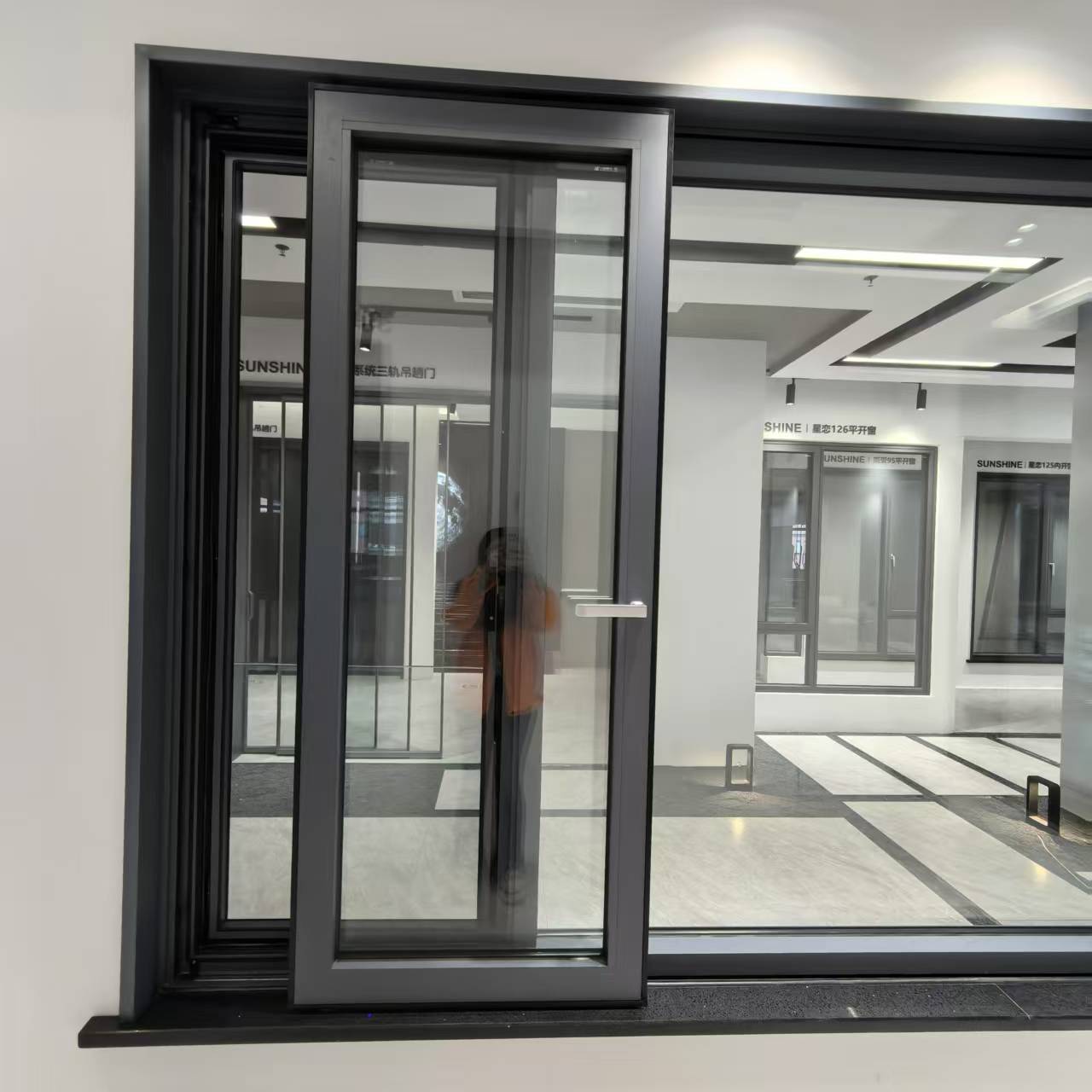
Frame Material Establishes the Baseline: Vinyl offers the most cost-effective entry point, while fiberglass and aluminum-clad wood drive premium pricing due to superior structural rigidity and aesthetic longevity.
Hardware Complexity Drives Upfront Costs: The integrated crank mechanisms and multi-point locking systems inherent to casement windows require more complex manufacturing than sliding tracks, directly impacting the base price.
Glass Packages Dictate Long-Term ROI: Upgrading from standard double-pane to triple-pane with Low-E coatings increases initial costs but is a necessary evaluation metric for climates with extreme temperature fluctuations.
Installation and Customization Inflate Quotes: Non-standard sizing, heavy unit weights requiring larger crews, and egress code compliance can increase total project costs by 20% to 50% beyond the window unit itself.
Table of Contents
Understanding the baseline cost of casement windows requires looking inside the frame and examining the mechanical operation. Sliding or double-hung windows rely on simple friction tracks, basic nylon rollers, or concealed block-and-tackle balance systems. Casement windows operate via a sophisticated mechanical assembly that acts more like a machine than a static building material. The manufacturing differences between these systems directly influence the final quote provided by a window supplier.
A casement window opens outward on a vertical axis, driven by a rotary gear operator. This mechanism consists of a hand crank, a splined shaft, a worm gear, an operator arm, and a track attached to the bottom of the sash. Manufacturing these moving metal parts requires precision engineering to ensure smooth operation over decades of daily use. The metal components must resist corrosion, bear the physical weight of heavy glass sashes hanging in mid-air, and operate without binding. Producing, lubricating, and assembling these geared mechanical operators is inherently more labor-intensive and material-heavy than extruding a simple vinyl track for a sliding window. If a factory misaligns a casement hinge by even an eighth of an inch, the window will fail to close properly. This demand for tight manufacturing tolerances establishes a higher base cost for the unit.
The higher upfront cost of a casement window buys a fundamentally different sealing mechanism. Sliding windows utilize interlocking sashes with fuzzy weatherstripping that can degrade, flatten, or lose contact over time. Casement windows utilize a compression seal. When the crank mechanism pulls the window shut and the locking lever is engaged, the entire perimeter of the sash is pulled tightly against a continuous bulb seal on the main frame. It operates similarly to a refrigerator door. Wind blowing against the outside of the building actually pushes the sash firmer into the weatherstripping, creating an airtight barrier. This superior air infiltration rating translates directly to lower heating and cooling loads, offsetting the initial purchase premium through sustained utility savings.
Evaluating a window replacement project requires looking beyond the initial invoice. A successful casement window investment balances the upfront purchase price against ongoing energy savings, maintenance demands, and the expected lifespan of the hardware. Cheaper windows often utilize lower-grade pot metal gearing that strips out or rusts, requiring premature replacement of the entire operator mechanism. Investing in a well-engineered casement unit with robust stainless-steel hardware and a high-performance compression seal ensures the window remains functional and efficient for decades. The upfront expenditure acts as an insurance policy against premature mechanical failure and drafty perimeters.
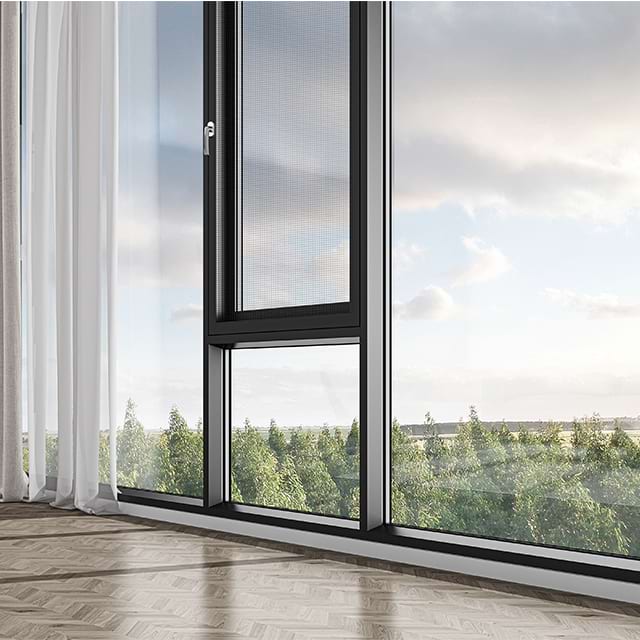
The material used to construct the window frame and sash is the single largest variable affecting quotes. Each material offers a distinct balance of structural integrity, thermal performance, and aesthetic appeal, directly dictating the manufacturing costs and the labor required to fabricate the unit.
Extruded polyvinyl chloride (PVC) represents the most cost-effective entry point for replacement windows. Vinyl frames are highly resistant to moisture, require virtually no maintenance, and offer excellent thermal insulation because the hollow chambers inside the extrusion trap air. Standard vinyl lacks inherent structural rigidity. To support the heavy, swinging weight of a glass casement sash, vinyl frames often require thicker, bulkier profiles or internal galvanized steel reinforcements. This structural limitation can restrict the maximum allowable size of a vinyl casement window. If a vinyl casement is built too wide without proper internal webbing, the sash will eventually sag and drag on the sill. Buyers must accept slightly less visible glass area due to the wider frame profiles required for strength.
Fiberglass occupies the mid-to-high pricing tier and offers an exceptional price-to-performance ratio. Manufactured through a pultrusion process—where continuous glass fibers are pulled through a resin bath and heated in a die—fiberglass frames are immensely strong. This structural rigidity allows manufacturers to create narrow frame profiles, maximizing the glass area and natural light. Fiberglass shares almost the exact same coefficient of thermal expansion as the glass it holds. In climates with extreme temperature swings, the frame and the glass expand and contract at the exact same rate. This prevents the perimeter seals of the insulated glass unit from failing and eliminates stress cracks. This durability and stability make fiberglass ideal for oversized casement units.
Wood frames represent the premium tier of the window market. The pricing reflects the raw material costs of harvesting, treating, and milling solid timber like pine, mahogany, or Douglas fir. Wood offers unparalleled natural aesthetics and excellent natural insulation. Exposed exterior wood requires rigorous maintenance to prevent rot and UV degradation. Manufacturers solve this by offering aluminum-clad wood windows, where the exterior facing is covered with extruded aluminum finished in a durable AAMA 2605 architectural coating. This dual-material construction adds significant manufacturing complexity, driving prices higher. This premium investment is often necessary for homeowners in historical districts subject to strict architectural review boards, or for high-end custom homes where interior wood grain matching is a strict design requirement.
Composite frames blend wood fibers with thermoplastic polymers to create a material that mimics the strength and low-maintenance properties of fiberglass while utilizing recycled materials. Proprietary blends sit comfortably between high-end vinyl and fiberglass in terms of pricing. They offer better structural rigidity than standard vinyl, allowing for darker exterior color options that would otherwise warp standard PVC under intense solar heat gain. The extrusion process for composites is slower and more abrasive on factory equipment than standard vinyl, which accounts for the moderate bump in manufacturing costs.
Material Performance Comparison
Material Type | Relative Price Tier | Structural Rigidity | Maintenance Level | Best Application |
|---|---|---|---|---|
Vinyl (PVC) | Entry-Level | Low to Moderate | Very Low | Budget-conscious replacements, standard sizes |
Composite | Mid-Range | Moderate to High | Low | Dark exterior colors, eco-friendly builds |
Fiberglass | Mid to Premium | Very High | Very Low | Oversized units, extreme climates, modern aesthetics |
Aluminum-Clad Wood | Premium | High | Moderate | Historical preservation, luxury architectural designs |
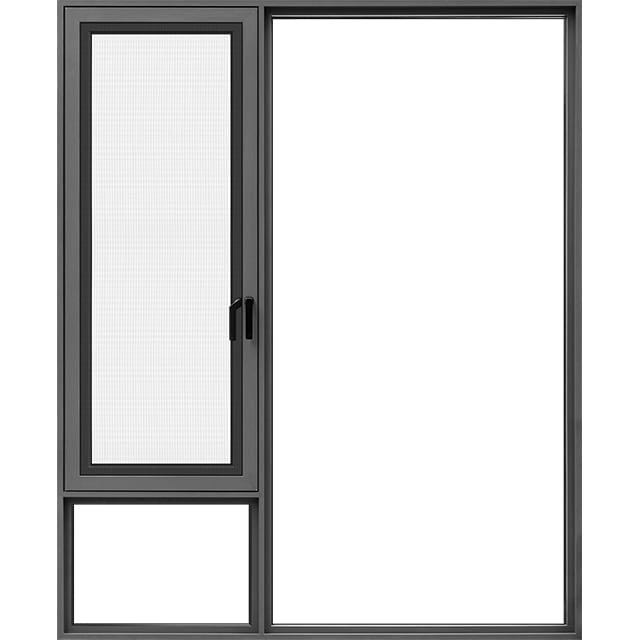
The insulated glass unit (IGU) makes up the vast majority of the window's surface area. The technology packed into these glass panes significantly alters both the manufacturing cost and the thermal performance of the home. Window glazing is not just clear glass; it is a highly engineered system of spacers, desiccants, and microscopic coatings.
Standard replacement windows feature double-pane glass, where two panes are separated by a warm-edge spacer bar to create an insulating airspace. Upgrading to triple-pane glass adds a third pane and a second insulating airspace. This upgrade increases the weight of the sash considerably. A heavier sash requires heavier-duty hinges and stronger frame materials to prevent sagging, which compounds the overall cost of the unit. Deciding whether the extra cost yields a justifiable return depends heavily on geographic climate zones. In mild, temperate regions, the energy savings from triple-pane glass may take decades to offset the initial purchase premium. In regions experiencing harsh, sub-zero winters or extreme summer heat, triple-pane glass dramatically improves interior comfort, reduces condensation, and lowers HVAC loads.
Low-Emissivity (Low-E) coatings are microscopically thin metallic layers applied to the glass surface during manufacturing. These sputter coatings reflect infrared heat while allowing visible light to pass through. In the summer, they bounce solar heat away from the home; in the winter, they reflect interior furnace heat back into the room. Applying these coatings requires expensive vacuum chambers, adding to the production cost. The airspace between the panes is typically filled with dense, inert gases like Argon or Krypton to slow thermal transfer. Krypton is denser and performs better in the narrower airspaces of triple-pane windows, but it is significantly more expensive to harvest than Argon, further driving up the price of high-performance glass packages.
Safety glazing requirements can force a mandatory increase in Casement window prices. Tempered glass, which crumbles into small chunks rather than shattering into dangerous shards, is required by building codes for windows situated close to the floor, near doors, or in bathrooms. The tempering process involves extreme heating and rapid cooling, adding a fabrication premium. For coastal regions prone to hurricanes, impact-resistant glass is mandatory. This glass features a tough polyvinyl butyral (PVB) interlayer sandwiched between two panes, designed to withstand flying debris without breaching the building envelope. The specialized manufacturing and rigorous missile-impact testing required for this glass make it one of the most expensive glazing upgrades available.
The operational hardware on a casement window is not just functional; it is a primary driver of the unit's longevity, security, and aesthetic appeal. Upgrading these components directly influences the final quote and the daily user experience.
The standard hardware package usually includes a basic nesting crank handle finished in a standard color to match the vinyl or fiberglass frame. Upgrading to premium architectural finishes—such as brushed brass, oil-rubbed bronze, or matte black—requires specialized plating or powder-coating processes that increase the component cost. Functionally, buyers often upgrade to folding handles. Standard handles protrude into the room and can interfere with the operation of interior blinds, shades, or plantation shutters. Folding handles collapse flat against the operator cover when not in use. The more complex casting and hinge mechanism of a folding handle adds a noticeable premium to the hardware package.
Security is a major advantage of the casement design. Unlike a double-hung window that locks only at the meeting rail, modern casement windows utilize a multi-point locking system. A single locking lever actuates a hidden tie-bar inside the frame, engaging locking cams at two, three, or even four distinct points along the vertical jamb. This mechanism ensures the compression seal is uniformly tight from top to bottom and makes the window exceptionally difficult to pry open from the exterior. The engineering required to synchronize multiple locking points from a single lever involves precise metal stamping and assembly.
When evaluating quotes, the warranty attached to the moving parts provides insight into the hardware's quality. A higher upfront price from a reputable manufacturer often includes a comprehensive or lifetime warranty on the gearing system and hinges. Cheaper windows may limit hardware warranties to just a few years. Paying a premium for heavy-duty, stainless-steel operators and hinges mitigates the future risk and labor costs associated with replacing stripped gears or sagging sashes. Coastal homes, in particular, require stainless steel hardware to prevent salt air from corroding the worm gears, which is a necessary but costly upgrade.
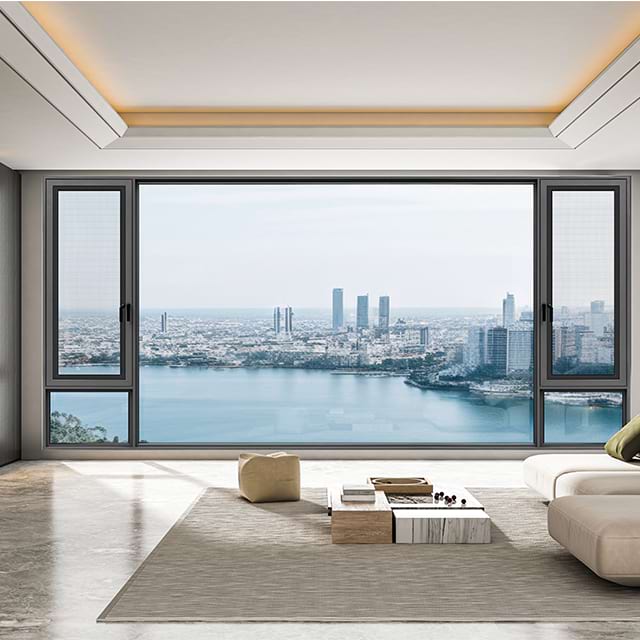
The physical dimensions and the architectural configuration of the window units dictate the amount of raw material required and the complexity of the factory assembly process. Customization at the factory level always translates to higher costs at the consumer level.
The standard single casement is the baseline. Architectural demands often require different configurations. French casements feature two sashes that crank open from the center without a vertical center mullion blocking the view. This design requires highly specialized locking mechanisms where one sash locks directly into the other, increasing manufacturing complexity. Push-out casements eliminate the rotary crank entirely, relying on heavy-duty friction hinges and a traditional manual latch. While they lack the gear mechanism, the specialized friction hinges required to hold a heavy glass sash open in a stiff breeze are expensive to produce.
Window manufacturers optimize their production lines for standard, off-the-shelf dimensions. If a home's rough openings match these standard sizes, the cost per unit remains relatively low. Older homes or custom architectural designs often feature unique rough openings. Ordering custom-sized casement windows requires the manufacturer to retool cutting machines, adjust glass fabrication, and custom-weld the frames. This disruption to the standard manufacturing workflow incurs a fabrication premium, making custom-sized units significantly more expensive than their standard counterparts.
Homeowners looking to fill a large opening have two choices: install one massive single casement window or mull (join) two smaller casement windows together. A single massive sash provides an unobstructed view but requires heavy-duty commercial-grade hinges to prevent the sash from sagging under its own weight over time. Upgrading to these structural hinges increases the price. Mulling two windows together requires a structural mullion—a reinforced vertical joining piece—to ensure the combined unit can withstand wind loads without bowing. Factory mulling involves additional materials, precise alignment, and extra labor.
Aesthetic enhancements add up quickly. Grilles-between-the-glass (GBG) are aluminum bars sealed inside the IGU. They are relatively inexpensive and make cleaning the glass easy. Simulated Divided Lites (SDLs) feature grilles permanently adhered to the interior and exterior of the glass, often with a shadow bar inside the IGU to cast authentic shadows. SDLs require meticulous factory application and drastically increase the price. Upgrading from standard fiberglass insect screens to high-transparency mesh or complex retractable screens that roll up into the frame will further increase the total cost of the window package.
The price of the window unit itself is only half the equation. The realities of the job site, the condition of the existing structure, and local building codes heavily influence the final installed price. Labor is a massive component of any window replacement project.
Casement windows, particularly those with triple-pane glass or heavy wood frames, are incredibly heavy and difficult to maneuver. A standard double-hung window can often be installed by a single technician who can remove the sashes to lighten the load during installation. A large casement window must typically be installed as a complete, heavy unit to protect the factory-calibrated hinges and seals. Maneuvering a bulky, heavy casement unit up ladders, onto scaffolding, or into tight spaces requires a larger crew to ensure safe handling and precise plumbing and squaring. The requirement for additional on-site labor directly increases the installation quote.
The chosen installation method drastically alters the project scope. A retrofit, or insert replacement, involves removing the old sashes and sliding a new window unit into the existing wooden frame. This method is faster, requires less material, and is less expensive. It slightly reduces the visible glass area. A full-frame replacement involves taking a reciprocating saw and tearing out the entire old window down to the house's rough framing studs. This method is mandatory if the existing wood frames are rotted or out of square. Full-frame installations require building a new sill pan, applying liquid flashing, installing new interior trim, and significantly more labor hours.
Building codes strictly regulate bedroom windows to ensure they provide a safe emergency exit, known as egress. Egress codes dictate the minimum net clear opening width, height, and total square footage. If an existing bedroom window is being replaced with a casement window, the new unit must meet these egress requirements when cranked open. Because the sash and operator arm sit inside the opening, the net clear space is reduced. If the existing rough opening is too small to accommodate an egress-compliant casement window, the installation crew must enlarge the opening. This involves cutting through exterior siding, altering structural wall framing, and installing a new header.
Homeowners experiencing drafty windows or foggy glass often attempt to lower Casement window prices by replacing only the insulated glass unit (IGU) rather than the entire window. This approach carries significant implementation risks. Older window frames often warp, bow, or settle over time. Fabricating a custom IGU to fit perfectly into an out-of-square, aging frame is difficult. If the new glass does not seat perfectly, the compression seal will fail, and the window will continue to leak air and water. The labor involved in carefully removing old glazing beads, cleaning the frame, and installing custom glass negates the expected savings.
Final quotes are heavily influenced by local market dynamics. Labor rates for skilled carpenters and window installers vary wildly depending on the region and the local cost of living. Urban environments often require expensive street parking permits, scaffolding permits, or specific disposal fees for hauling away old window materials containing lead paint. Installers factor all these regional variables, travel time, and overhead into the final labor quote.
Evaluating replacement options requires a clear understanding of the mechanical and structural demands placed on the unit. The premium associated with casement windows is a direct reflection of their complex rotary gearing, heavy-duty hinges, and superior compression sealing technology. When specified correctly, this investment pays dividends through enhanced home security, maximum ventilation, and rigorous defense against air infiltration.
To ensure your investment yields long-lasting performance and structural excellence, partnering with an experienced industry manufacturer is essential. Driven by expert craftsmanship and advanced manufacturing capabilities, GUANGDONG RUSTIC HOUSE FITINGS CO., LTD. delivers top-tier architectural window solutions designed to withstand demanding climates while complementing high-end residential aesthetics.
To navigate the purchasing process effectively, buyers should adopt a structured shortlisting logic. Lock in the frame material based on the home's structural requirements and aesthetic goals. Allocate the remaining budget to a glass package tailored specifically to the local climate zone, ensuring optimal thermal performance. Select hardware that offers a robust warranty to protect against future mechanical failures.
Take the following actionable steps to move forward with your project:
Measure your existing rough openings to determine if standard sizing will work or if custom fabrication is required.
Request itemized quotes from at least three certified installers, ensuring the quotes separate the unit price from labor and custom fabrication costs.
Verify the exact installation method proposed to ensure you know whether you are paying for a simple pocket insert or a comprehensive full-frame replacement.
Confirm with the installer that all planned bedroom casement windows meet local egress codes before signing any fabrication orders.
Review the manufacturer's warranty documentation specifically regarding the moving parts, rotary gears, and multi-point locking mechanisms.
A: Yes, they generally carry a higher price tag. Sliding windows operate on simple friction tracks with minimal moving parts. Casement windows require complex rotary gear operators, heavy-duty hinges to support the swinging sash, and multi-point locking systems. This intricate mechanical manufacturing process inherently increases the base cost of the unit.
A: Prices vary drastically based on materials and sizing. A basic standard-sized vinyl unit will sit at the lower end of the spectrum. Upgrading to fiberglass or aluminum-clad wood, adding triple-pane glass, or requiring custom sizing can easily push the price into the premium tier. Installation labor adds further variability.
A: Absolutely. Larger sizes require more raw material and heavier glass. More importantly, large swinging sashes exert immense torque on the frame and hinges. This often necessitates upgrading from standard vinyl to stronger materials like fiberglass to prevent sagging, while also requiring larger installation crews due to the unit's bulk.
A: The return on investment depends on your climate. In regions with harsh, freezing winters or extreme summer heat, triple-pane glass significantly reduces HVAC loads and improves interior comfort, justifying the cost. In mild, temperate climates, the energy savings may not offset the initial purchase premium fast enough to be worthwhile.
A: Installation can increase the total project cost significantly. A simple retrofit insert is the most affordable method. Full-frame replacements, which involve tearing down to the studs, replacing trim, and repairing rot, require significantly more labor and materials. Modifying walls for egress compliance will push labor costs even higher.
A: While possible, it is often risky. Older frames frequently warp or settle out of square. Custom fabricating a new insulated glass unit to fit an aging, distorted frame can lead to poor seals and continued drafts. Often, the labor required makes full unit replacement a more reliable, long-term solution.