English 


Views: 0 Author: Site Editor Publish Time: 2026-08-20 Origin: Site


Coastal environments present the ultimate stress test for building materials. High-velocity winds, relentless UV exposure, and highly corrosive salt spray destroy standard residential windows rapidly. Homeowners and builders must balance structural survivability—specifically hurricane and storm resistance—with long-term material integrity to prevent pitting and corrosion. You need to achieve this without compromising architectural aesthetics or natural light. While an Aluminium Casement Window offers the ideal baseline due to its inherent strength and outward-opening compression seal, specifying the wrong finish, hardware, or glazing leads to premature failure. Airborne chlorides attack untreated metals. Intense solar radiation degrades standard sealants. Selecting fenestration for oceanfront properties requires moving beyond basic aesthetics and evaluating structural performance grades, marine-specific coatings, and impact-resistant glazing technologies. We will break down the exact technical specifications required to evaluate and select coastal-grade fenestration for your project.
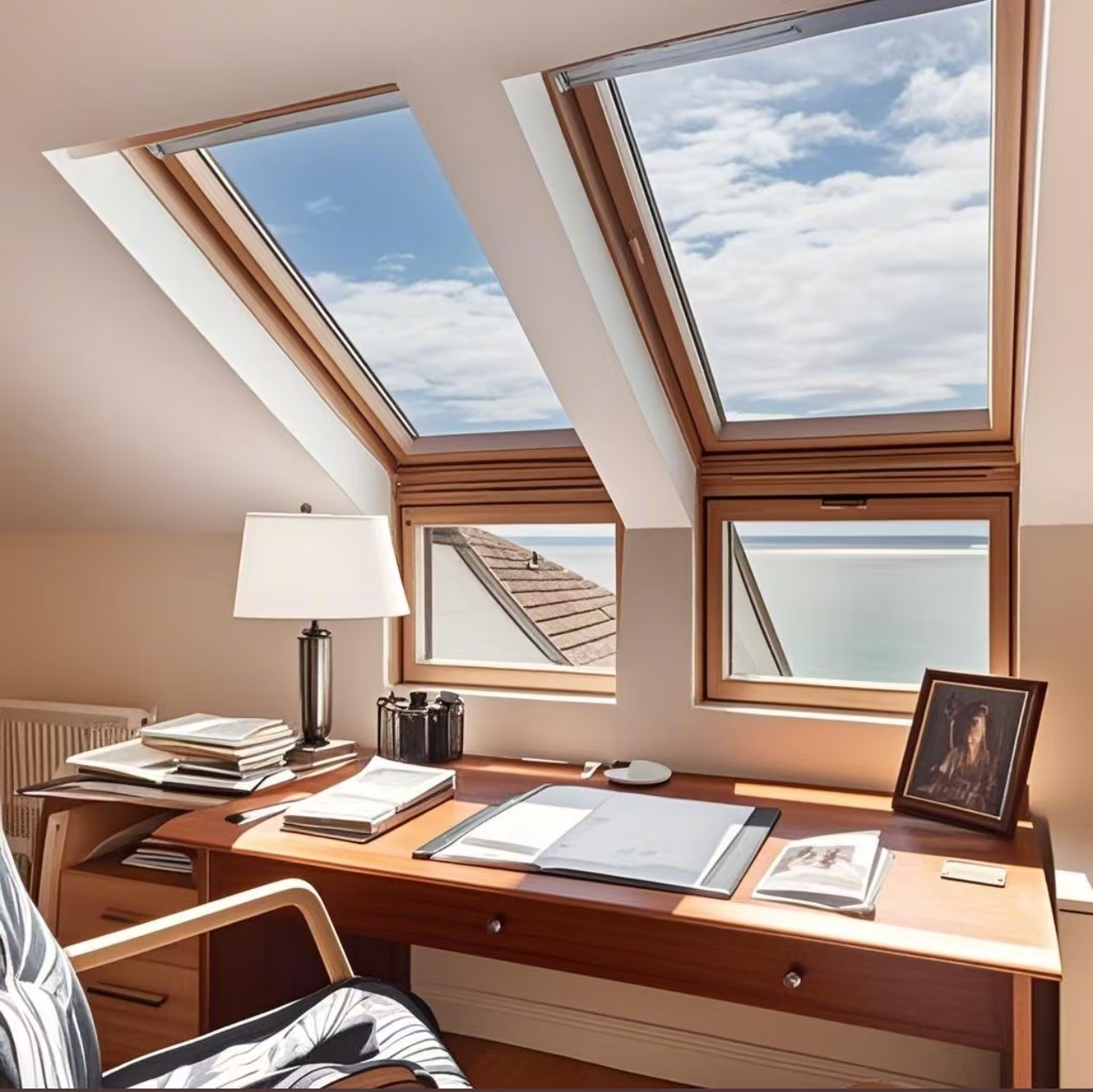
Seal and Strength: The casement design is structurally superior for coastal homes; wind pressure pushes the sash tighter against the weatherstripping, creating a highly effective barrier against driving rain and drafts.
Maximizing the Coastal Experience: Beyond durability, the outward-swinging design acts as a scoop to capture coastal breezes for maximum ventilation, while aluminium's strength allows for narrow sightlines and unobstructed ocean views.
Finish is Non-Negotiable: Untreated aluminium will corrode in salt air. Specifying AAMA 2605 marine-grade powder coating or high-performance anodized finishes is mandatory for coastal longevity.
Hardware Vulnerability: The window frame will outlast its hardware unless 300-series (ideally 316) stainless steel components are specified to prevent galvanic corrosion and mechanical failure.
Code Compliance: Coastal windows must meet strict Design Pressure (DP) ratings and local wind-borne debris protocols (e.g., HVHZ standards) to ensure structural integrity and insurance compliance.
Table of Contents
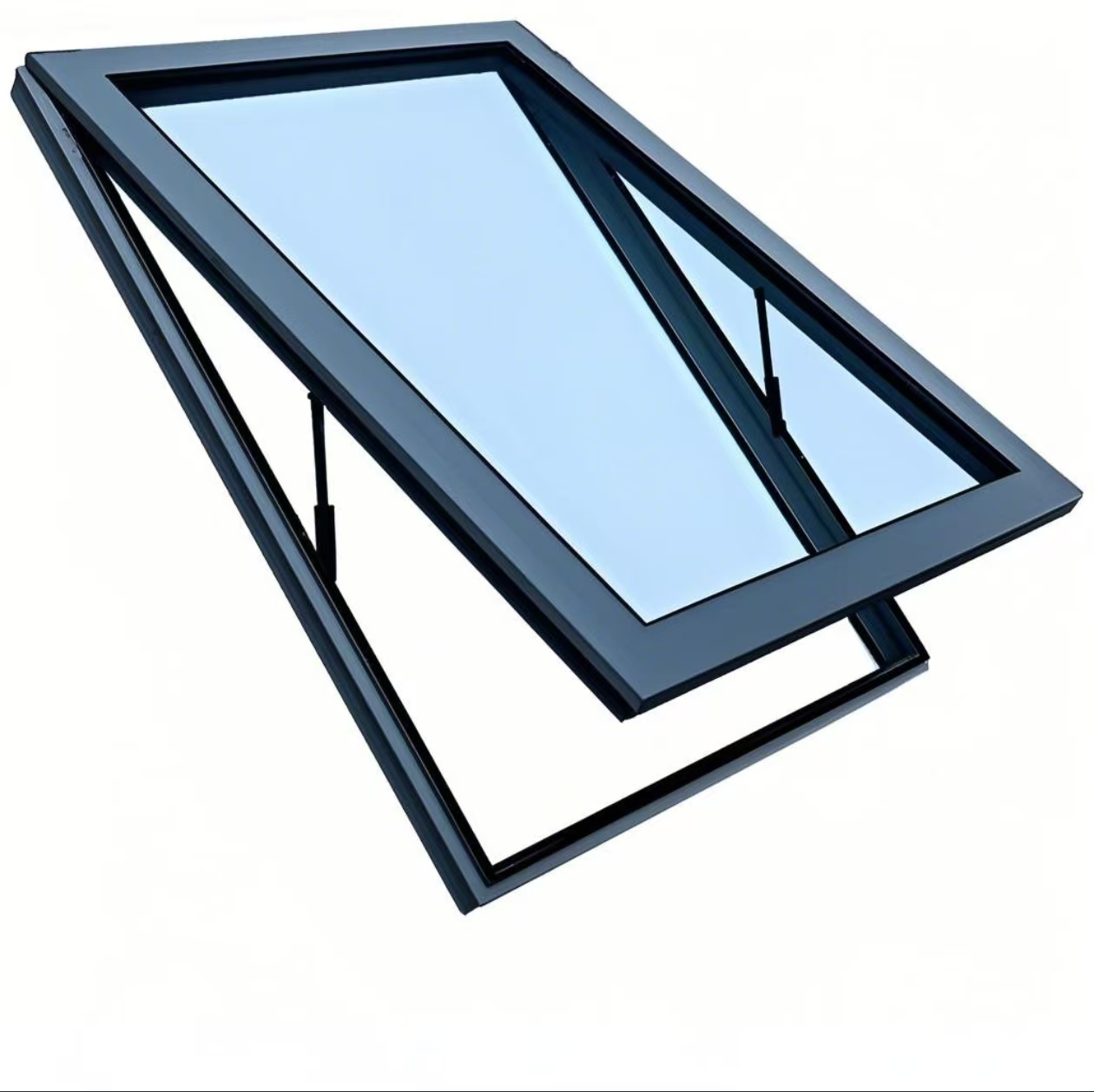
Understanding the physics of fenestration under extreme weather conditions reveals why specific operating styles outperform others. Casement windows operate on a side hinge, swinging outward like a door. When high-velocity coastal winds strike the exterior of the home, the positive wind pressure physically pushes the outward-opening sash tighter against the frame's weatherstripping. This creates a high-performance compression seal. The harder the wind blows, the tighter the seal becomes. This mechanical advantage effectively blocks driving rain and prevents structural air leaks during severe storm events.
Contrast this mechanism with traditional sliding or double-hung windows. Sliders rely on overlapping tracks and friction seals. Under heavy wind loads, the sashes in a sliding window flex. This flexing causes the weatherstripping to separate from the frame, allowing water intrusion and creating a severe rattling effect. For coastal properties facing hurricane-force gusts or severe winter nor'easters, the compression seal of a casement profile provides unmatched structural reliability. We see sliding windows fail water penetration tests at much lower wind speeds simply because their design cannot leverage wind pressure to reinforce the seal.
Coastal living heavily prioritizes natural ventilation and unobstructed ocean views. The outward-swinging sash acts as a highly efficient air scoop. When opened to a 45-degree or 90-degree angle, the glass pane catches parallel coastal breezes and redirects them into the interior living space. This passive cooling strategy significantly reduces reliance on mechanical air conditioning during temperate months. You can ventilate a room much faster with a casement than with a double-hung window, which only opens to half of its total area.
Aluminium possesses an exceptionally high strength-to-weight ratio. This structural rigidity allows manufacturers to engineer massive expanses of glass supported by incredibly narrow frame profiles. Homeowners benefit from maximized daylight openings and panoramic sightlines. Traditional materials like vinyl or wood require much thicker, bulkier frames to support the heavy weight of impact-resistant glass. A vinyl frame might require a 4-inch profile to support a large impact pane, whereas an aluminium frame can achieve the same structural rating with a 2-inch profile. This minimizes visual clutter and supports modern architectural designs.
Evaluating materials for marine environments requires acknowledging inherent chemical realities. Aluminium is highly rigid, dimensionally stable, and immune to warping or rotting. Its primary vulnerability is its reaction to airborne chlorides found in salt spray. When raw or inadequately treated aluminium is exposed to a marine atmosphere, it undergoes rapid oxidation. This manifests as a white, powdery substance on the surface—aluminium oxide. Left unchecked, this leads to severe pitting and structural degradation of the frame.
A standard inland aluminium frame will quickly deteriorate on the coast. The base metal itself is not the problem; the failure lies entirely in the surface treatment. To harness the strength and narrow sightlines of an Aluminium Casement Window in a coastal zone, you must completely isolate the exterior surface from the salt-laden air through advanced, marine-grade architectural coatings. Without this chemical barrier, the structural benefits of the metal are rendered useless.
Manufacturers frequently market vinyl as a low-maintenance alternative for coastal homes because it is inherently immune to salt corrosion. However, standard and even reinforced "coastal-grade" vinyl face severe limitations under the combined stress of high wind loads and intense solar radiation. Vinyl has a high coefficient of thermal expansion. It expands and contracts significantly with temperature fluctuations. In hot coastal climates, this constant movement stresses the welded corners and degrades the insulated glass seals, leading to premature fogging and seal failure.
Intense UV exposure causes vinyl to chalk, fade, and become brittle over time. When subjected to the extreme negative and positive pressures of a coastal storm, brittle vinyl frames can crack or warp, compromising the building envelope. Rigid aluminium maintains its dimensional stability regardless of temperature spikes or UV bombardment. A 10-foot span of aluminium will not bow in the summer heat, making it the superior structural choice for long-term survivability in exposed environments.
A historical drawback of solid aluminium has been its high thermal conductivity. In humid coastal climates, a standard aluminium frame transfers exterior heat directly into the air-conditioned interior. During colder months, the cold frame interacts with warm, humid interior air, causing severe condensation. This condensation pools on the window sills, damaging interior drywall, rotting wood trim, and promoting mold growth inside the wall cavity.
The modern engineering solution is the thermally broken aluminium frame. Manufacturers extrude the frame in two separate pieces—an interior half and an exterior half. They structurally join these pieces using a polyamide strut. This rigid plastic component acts as a thermal barrier, completely breaking the conductive path between the outside and the inside. Specifying a thermally broken frame is absolutely essential for managing energy efficiency and preventing interior moisture damage in coastal zones. It keeps the interior frame surface close to room temperature, eliminating the condensation risk.
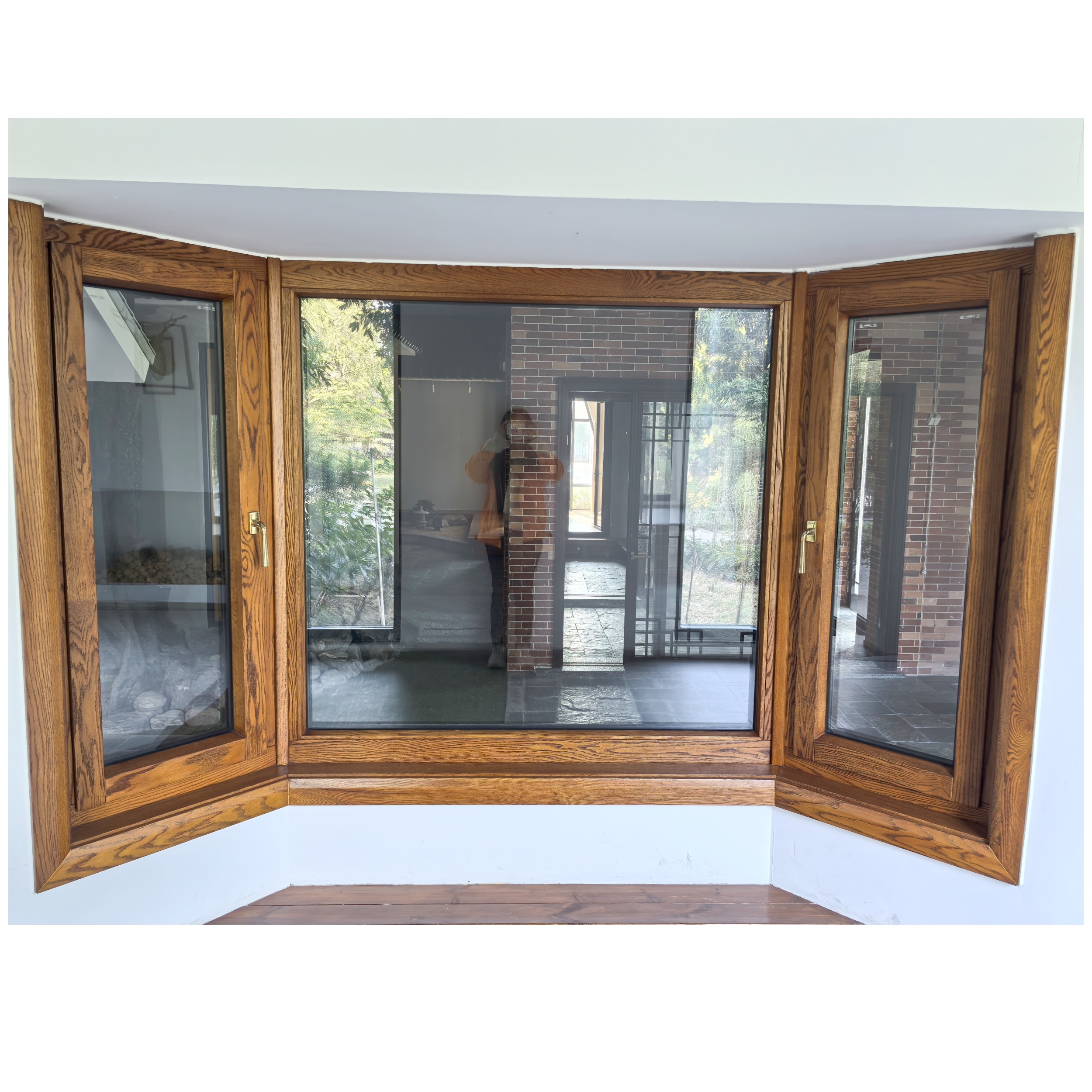
Aluminium-clad wood offers a hybrid approach, combining the warm aesthetic of interior wood with a protective exterior aluminium shield. While visually appealing, this category introduces significant risks in marine environments. The primary danger is unseen water intrusion. Coastal storms drive moisture horizontally. If the exterior aluminium cladding joints fail, or if the exterior sealant degrades under UV exposure, salt water penetrates behind the metal shield and directly into the wood core.
Because the wood is encased in metal, the trapped moisture cannot evaporate. Capillary action draws the water deeper into the frame. This creates an ideal environment for rapid, unseen wood rot. By the time the damage becomes visible on the interior—usually as stained wood or peeling paint—the entire structural integrity of the frame has been compromised. You should only specify aluminium-clad wood in coastal zones if the home features deep, protective roof overhangs and you commit to rigorous, ongoing exterior sealant maintenance.
Coastal Fenestration Material Comparison
Material Category | Structural Rigidity | UV Resistance | Corrosion Risk | Primary Coastal Vulnerability |
|---|---|---|---|---|
Standard Vinyl | Low to Moderate | Poor (Chalks and warps) | None | Thermal expansion and structural flexing under wind load |
Thermally Broken Aluminium | Exceptional | Excellent (with proper coating) | High (if untreated) | Requires strict adherence to marine coating standards |
Aluminium-Clad Wood | High | Excellent (exterior shield) | Moderate | Unseen moisture intrusion leading to core rot |
The longevity of an aluminium frame on the coast depends entirely on the quality of its surface finish. The American Architectural Manufacturers Association (AAMA) defines the testing standards for these coatings. Standard residential windows typically feature an AAMA 2603 finish, which is a basic baked enamel. This finish fails rapidly when exposed to coastal UV rays and salt spray, leading to chalking and peeling within a few years. You will see the color fade and the metal begin to pit shortly after.
For homes located within one mile of saltwater, an AAMA 2605 powder coating is the minimum acceptable standard. AAMA 2605 coatings contain a minimum of 70% fluoropolymer (PVDF) resin. This highly stable chemical composition provides exceptional resistance to color fading, chalking, and chemical degradation from airborne chlorides. The coating acts as an impenetrable armor, sealing the raw aluminium away from the corrosive environment. When evaluating finishes, follow these verification steps:
Request the manufacturer's specification sheet to confirm the AAMA 2605 rating.
Verify the coating thickness, which should typically exceed 1.2 mils for coastal applications.
Check the warranty documentation for specific saltwater proximity coverage.
Confirm the maintenance requirements, such as the frequency of freshwater washdowns.
Class 1 Anodized finishes offer another excellent coastal protection method. Unlike powder coating, which sits on top of the metal, anodizing is an electrochemical process that thickens the natural oxide layer of the aluminium itself. A Class 1 anodized finish is extremely hard, immune to peeling, and highly resistant to salt-induced pitting. Both AAMA 2605 and Class 1 Anodizing require regular freshwater washdowns to remove accumulated salt deposits, but they provide the chemical defense necessary for marine survivability.
The glass package is the most critical component for surviving wind-borne debris during a hurricane or severe coastal storm. Standard tempered glass shatters upon impact. If a window blows out during a hurricane, it instantly pressurizes the interior of the home, which can cause catastrophic roof failure. Coastal building codes require impact-resistant laminated glazing. Manufacturers construct this glass by bonding two panes of glass around a tough, transparent inner layer.
The type of interlayer dictates the performance. Polyvinyl Butyral (PVB) is common for standard impact resistance, but SentryGlas Plus (SGP) is the superior choice for extreme coastal zones. SGP is up to 100 times stiffer and 5 times stronger than traditional PVB. If flying debris shatters the outer glass pane, the SGP interlayer remains intact. It maintains the building envelope and prevents water and wind intrusion without requiring exterior storm shutters. We specify SGP for any property directly facing the ocean.
Beyond impact resistance, the glazing must manage intense coastal solar radiation. Low-Emissivity (Low-E) coatings are microscopic metallic layers applied to the glass that reflect infrared heat while allowing visible light to pass through. Evaluating the Solar Heat Gain Coefficient (SHGC) is necessary. A lower SHGC indicates better protection against solar heat gain. This reduces cooling demands and prevents the rapid UV degradation of interior hardwood floors, artwork, and furnishings.
The most common point of failure in coastal fenestration is not the frame or the glass, but the operable hardware. The hinges, crank mechanisms, and locking points of a casement profile are constantly exposed to the elements. Standard zinc-plated or carbon steel hardware rusts and seizes within months in a high-chloride environment. Once the hardware seizes, the window becomes inoperable and the compression seal cannot engage.
Specifying 300-series marine-grade stainless steel is mandatory for all hardware components. Type 316 stainless steel contains 2-3% molybdenum, which specifically prevents chloride-induced pitting. Every single screw, hinge track, and lock strike must be verified as 316 stainless steel. Do not accept 304 stainless steel for direct oceanfront applications, as it will still show tea-staining and surface rust over time.
Introducing stainless steel to an aluminium frame creates a new risk: galvanic corrosion. When two dissimilar metals come into direct contact in the presence of an electrolyte like salt water, the less noble metal—in this case, aluminium—rapidly corrodes. High-quality coastal manufacturers engineer their products to isolate these metals. They utilize nylon washers, dielectric coatings, or specialized gaskets to physically separate the stainless steel fasteners from the aluminium frame. This neutralizes the galvanic threat and ensures the assembly remains structurally sound.
Coastal construction is governed by strict, highly localized building codes designed to prevent catastrophic structural failure during extreme weather events. Evaluating a window requires understanding its Design Pressure (DP) rating. The DP rating measures the window's ability to withstand structural wind loads, water infiltration, and air leakage. A DP50 rating indicates the window has been tested to withstand pressures equivalent to roughly 137 mph winds without failing. A DP70 rating pushes that resistance even higher for extreme exposure zones.
Depending on the specific coastal location, builders must adhere to regional mandates such as the Florida Building Code (FBC), the Texas Department of Insurance (TDI) specifications, or High-Velocity Hurricane Zone (HVHZ) protocols. These codes dictate the exact DP rating and impact resistance required based on the home's proximity to the water and its elevation. Installing a window that fails to meet local DP requirements results in failed building inspections and voids homeowner insurance policies. Always verify the product approval numbers with your local building department before purchasing.
Selecting fenestration for a marine environment requires a fundamental shift in budgeting expectations. Upgrading a standard aluminium frame to a true coastal specification involves significant engineering enhancements. Incorporating thermally broken frames, SGP laminated impact glass, AAMA 2605 PVDF coatings, and fully isolated 316 stainless steel hardware requires a larger upfront investment compared to standard inland windows.
You must evaluate this upfront investment against the cost of premature failure. Installing standard residential windows in a coastal zone guarantees rapid degradation. Within three to five years, standard hardware seizes, basic powder coats chalk and pit, and inadequate seals allow water intrusion. The cost of scaffolding, removing failed units, repairing water-damaged drywall, and purchasing replacement windows far exceeds the initial investment required to specify true marine-grade products from the outset. Do not cut corners on the exterior envelope of a coastal home.
A window's warranty provides critical insight into its true coastal capabilities. Standard manufacturer warranties often contain hidden exclusions that void all coverage if the product is installed near salt water. These saltwater proximity clauses typically eliminate coverage for homes located within one to three miles of the coast. If a manufacturer will not stand behind their product in a marine environment, you should not install it there.
Evaluating warranties requires reading the fine print specifically regarding hardware corrosion and finish degradation. Identify manufacturers that explicitly offer marine environment warranties. These specialized warranties clearly define the required maintenance protocols, such as documented quarterly freshwater washdowns. They provide distinct coverage timelines for the AAMA 2605 finish and the stainless steel hardware in high-chloride zones. Ensure you understand exactly what documentation you need to keep to maintain the warranty status.
Procuring a high-performance, marine-grade window is only half the battle. The installation envelope dictates the final success or failure of the system. A window rated for hurricane-force winds will still leak if the rough opening is improperly waterproofed. Coastal storms drive rain horizontally, pushing water upward and against gravity into the smallest structural gaps around the window perimeter.
Coastal installation requires advanced waterproofing techniques. The rough opening must be prepped with a sloped sill pan and a rigid back dam to capture and direct any incidental water back to the exterior. Installers must use coastal-specific, high-adhesion flashing tapes and high-movement elastomeric sealants. These materials withstand extreme UV exposure and structural flexing without losing their bond. Compatibility between the window's exterior finish, the flashing tape, and the weather barrier is critical to prevent chemical reactions that degrade the adhesive over time.
Standard inland installation practices are insufficient for coastal environments. The structural integrity of an impact-rated window relies entirely on the precise placement and embedment depth of the installation fasteners. Improper shimming causes the frame to rack under wind load, breaking the weather seal. Using the wrong type or length of masonry screw instantly voids the manufacturer's wind-load certifications and the DP rating.
Sourcing contractors with specific experience in coastal building codes and impact-window installation is essential. Qualified installers understand the nuances of isolating dissimilar metals during installation. They apply continuous sealant beads behind the nail fin and strictly adhere to the fastening schedules dictated by the local structural engineer's approved plans. To vet an installer, follow these guidelines:
Ask for proof of certification in installing impact-rated fenestration.
Request references for projects completed directly on the waterfront.
Verify their familiarity with local HVHZ or coastal building codes.
Confirm they use 300-series stainless steel fasteners for the installation itself.
Hire a licensed structural engineer or architect to determine the exact Design Pressure (DP) and impact ratings required for your specific coastal elevation and wind zone.
Verify with the manufacturer that the frames utilize an AAMA 2605 or Class 1 Anodized finish and that all operable hardware is forged from isolated 316 stainless steel.
Review the manufacturer's warranty documentation to confirm explicit coverage for saltwater proximity zones and understand the required maintenance protocols.
Contract an installation team specifically certified in high-velocity wind zone applications to ensure the rough opening waterproofing and fastener embedment meet code requirements.
Partnering with a reliable, industry-leading manufacturer is essential to bringing these rigid technical specifications to life. As a trusted pioneer in high-performance fenestration engineering, GUANGDONG RUSTIC HOUSE FITINGS CO., LTD. combines cutting-edge manufacturing technology with rigorous marine-grade testing to deliver premium, storm-ready window solutions tailored for the world's most demanding coastal environments.
A: Yes. The casement design utilizes an outward-swinging sash that compresses tightly against the weatherstripping under high wind pressure, creating a superior seal against driving rain. Aluminium's structural rigidity prevents warping under heavy wind loads. However, they must be treated with marine-grade finishes to prevent salt corrosion.
A: Aluminium is superior for structural longevity. While vinyl is immune to salt corrosion, it suffers from high thermal expansion. Vinyl can warp, chalk, or become brittle under intense coastal UV exposure and hurricane-force wind loads. Thermally broken aluminium offers unmatched strength and dimensional stability.
A: You must isolate the raw aluminium from airborne chlorides. Specify an AAMA 2605 powder coating or a Class 1 Anodized finish. These coatings act as a chemical barrier. Additionally, perform regular freshwater washdowns to remove accumulated salt deposits from the frame and hardware.
A: The primary difference is the resin content and durability. AAMA 2605 contains a minimum of 70% PVDF resin, offering significantly higher resistance to UV fading, chalking, and chemical corrosion. AAMA 2605 is the mandatory standard for harsh coastal environments, whereas 2604 is suited for standard inland applications.
A: Standard carbon steel or zinc-plated hardware rapidly rusts, pits, and seizes when exposed to the high-chloride environment of the coast. Specifying 316 marine-grade stainless steel ensures the hinges, cranks, and locks remain operable and structurally sound despite constant salt spray exposure.
A: A DP rating measures a window's ability to withstand specific environmental forces. It evaluates structural resistance to wind loads, the threshold for water infiltration, and the rate of air leakage. Coastal building codes mandate specific DP ratings based on a home's proximity to the ocean and local hurricane risks.
A: They carry a high risk of rotting if the exterior cladding fails. Coastal storms drive moisture horizontally. If saltwater penetrates the exterior aluminium shield or degraded sealants, it becomes trapped against the interior wood core. This trapped moisture cannot evaporate, leading to rapid, unseen wood rot.