English 


Views: 0 Author: Site Editor Publish Time: 2026-08-20 Origin: Site


Modern aluminum windows deliver clean sightlines and massive structural strength, but you still need insect protection on the job site and in the finished home. This creates a mechanical conflict. Because a casement sash cranks outward, the screen must mount on the interior frame. This setup directly impacts window treatments, room aesthetics, and daily operation. We will evaluate the aluminum casement window with screen to help you finalize your building plans. We will look at thermal performance, hardware durability, and screen integration options. Understanding the physical mechanics ensures your installation meets both architectural goals and everyday usability. You need to know exactly how the crank handles clear the interior trim and how thermal breaks perform when an interior screen alters airflow. Let's break down the exact specifications and field realities of these units.
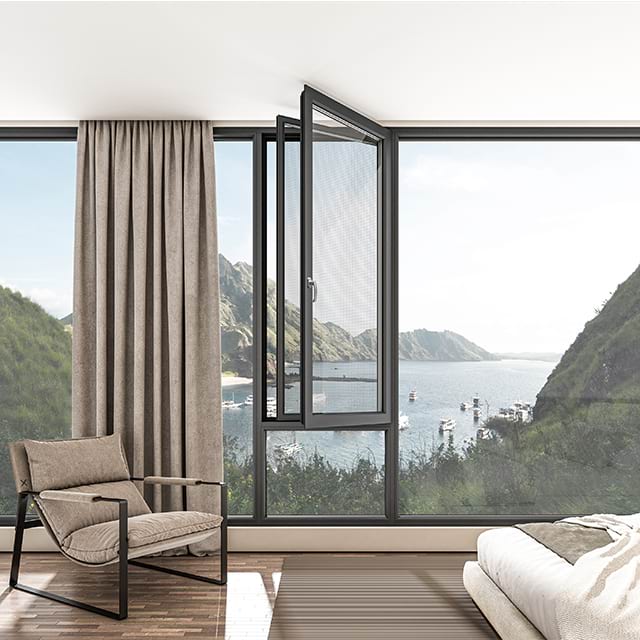
Mechanical Reality: Outward-swinging sashes dictate interior screen placement, requiring specific planning for blinds, shades, and curtains.
Performance Advantage: Aluminum casement windows offer superior energy efficiency compared to sliding or hung windows due to their compression seal and multi-point locking mechanisms.
Ventilation & Light Superiority: The hinged design allows the window to catch passing breezes, while the lack of a center meeting rail maximizes natural light and unobstructed views.
Ergonomic Operation: Crank-operated mechanisms provide superior ease of use, particularly in hard-to-reach areas like over kitchen counters.
Screen Flexibility: Modern solutions, including retractable screens and high-transparency mesh, mitigate the aesthetic drawbacks traditionally associated with interior screens.
Table of Contents
The operational mechanics of a casement window rely on a rotary crank mechanism connected to a scissor-arm or single-arm operator. The operator pushes the window sash outward on hinges, functioning much like a door. The glass moves away from the interior frame and into the exterior space. This outward motion requires the screen to sit inside the room. You cannot place a screen on the exterior because the sash needs that physical space to swing open and close.
This necessitates specific spatial requirements within the window jamb. The crank handle and locking levers need physical clearance to operate. The screen frame must accommodate these protruding hardware parts without bowing or breaking the insect seal. Installers often use deep interior jamb extensions to provide enough room for the screen cassette or fixed frame to sit flush against the window stops. If the jamb is too shallow, the screen frame will sit proud of the drywall return, creating an ugly finish detail.
Field crews must verify the exact depth of the window profile before ordering interior trim. The screen track usually snaps into a dedicated channel on the aluminum extrusion. If the drywallers mud too close to this channel, the screen will not seat properly. You have to leave a clean, square opening to ensure the interior screen functions without binding.
Aluminum provides distinct structural benefits for window manufacturing. It offers extremely slim sightlines and a high strength-to-weight ratio. The material resists rot, warping, and degradation from UV exposure. This makes it ideal for supporting large, heavy panes of insulated glass. However, raw aluminum conducts heat rapidly. Without intervention, an aluminum frame transfers exterior cold or heat directly into the building interior.
Thermal breaks are non-negotiable in modern aluminum frames. Manufacturers crimp polyamide struts between the interior and exterior aluminum extrusions. This physical barrier stops thermal bridging. It prevents condensation from forming on the interior frame during cold weather. An interior screen alters the natural airflow directly against the glass surface. This disruption makes high-quality thermal breaks even more critical to maintain a stable interior climate and prevent moisture buildup behind the screen mesh.
When you trap a layer of air between the cold glass and the interior screen, you change the dew point dynamics of the window assembly. If the thermal break fails or is poorly designed, that trapped air will drop its moisture onto the aluminum frame. This water then runs down into the screen track, causing corrosion or mold on the adjacent drywall. Specifying a wide polyamide strut ensures the interior extrusion stays close to room temperature, mitigating this risk entirely.
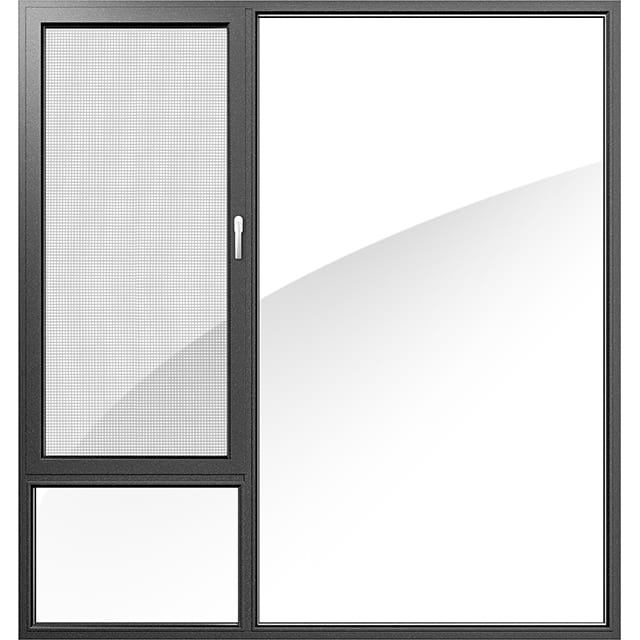
A fully open casement sash acts like a structural sail. It extends outward from the building envelope. This projection catches crosswinds running parallel to the exterior wall. The sash funnels that fresh air directly into the room. This mechanism provides exceptional passive cooling capabilities for residential and commercial spaces.
The interior screen filters out debris, leaves, and insects. It accomplishes this without significantly impeding the enhanced ventilation. You achieve maximum airflow while maintaining necessary environmental protection. Strategic placement of these windows on opposite sides of a building creates a powerful cross-ventilation effect, rapidly exchanging indoor air.
On job sites in temperate climates, we rely heavily on this passive cooling effect to meet energy codes. By sizing the casements correctly and aligning them with prevailing winds, you can drastically reduce the runtime of the HVAC system. The screen mesh does reduce the air velocity slightly, but the sheer volume of air captured by the angled sash more than makes up for the restriction.
Window weatherstripping dictates long-term energy performance. Sliding and double-hung windows rely on friction seals. These seals wear down over time due to the constant sliding friction of the sashes. Casement windows utilize compression seals. They operate on a completely different physical principle.
When the wind blows against the building exterior, it pushes the casement sash tighter against the frame. This physical pressure compresses the EPDM rubber gaskets. It actively enhances the weather seal. This mechanical advantage reduces air infiltration rates and improves overall U-factors. The tighter the seal, the less your HVAC system works to maintain interior temperatures.
We see the difference during blower door tests. A house loaded with double-hung windows will almost always leak more air than a house fitted with casements. The continuous bulb seal around the perimeter of the casement sash creates a vault-like closure. You just have to ensure the installer shims the frame perfectly square; otherwise, the sash will pinch the gasket on one side and leave a gap on the other.
Double-hung and sliding windows feature a prominent center meeting rail. This horizontal or vertical bar physically blocks the view and breaks up the glass expanse. Casement windows lack this structural obstruction. They provide a single, continuous pane of glass from top to bottom.
Pairing this uninterrupted design with a modern casement window with screen preserves the expansive view. Utilizing high-visibility mesh technology maximizes natural light transmittance. You maintain the architectural intent of large glass openings while keeping the interior space free of insects.
Architects love aluminum casements for this exact reason. You get the structural rigidity to hold a massive piece of triple-pane glass, combined with a frame profile that practically disappears. When you use a high-transparency screen, the barrier between the interior and the landscape is virtually invisible. It delivers the modern, minimalist aesthetic that clients demand.
Lifting heavy window sashes requires significant physical effort and leverage. A rotary crank operator provides a massive mechanical advantage. You turn the handle with minimal force to push the heavy glass outward. This makes operation highly ergonomic for users of all physical abilities.
This mechanical advantage offers a strategic benefit in hard-to-reach areas. Installing casements over kitchen sinks, deep counters, or large soaking tubs makes practical sense. You can easily reach and operate the crank where the leverage required for lifting a traditional hung sash is physically impossible to achieve.
For aging-in-place designs, casements are the standard recommendation. We often specify ADA-compliant crank handles that require even less torque to operate. The interior screen stays in place, so the user never has to wrestle with removing a frame just to get some fresh air. They simply turn the handle, and the window does the heavy lifting.
Casement locks utilize a robust hook-shaped design. These steel hooks embed deeply into the frame keepers when engaged. A single locking lever often throws multiple hooks simultaneously along the vertical jamb. This multi-point system makes the window highly resistant to forced entry.
Prying an outward-swinging sash from the outside is extremely difficult because the sash sits flush within the frame. The interior screen acts as a secondary visual deterrent. It sits completely independent of the locking mechanism. You can lock and unlock the window securely without ever touching or removing the insect screen.
The tie-bar mechanism hidden inside the aluminum extrusion connects the locking points. When you pull the lever down, the tie-bar slides and pulls the sash tightly into the weatherstripping. This not only secures the building but also finalizes the compression seal. It is a highly engineered system that outperforms the simple cam locks found on sliding windows.
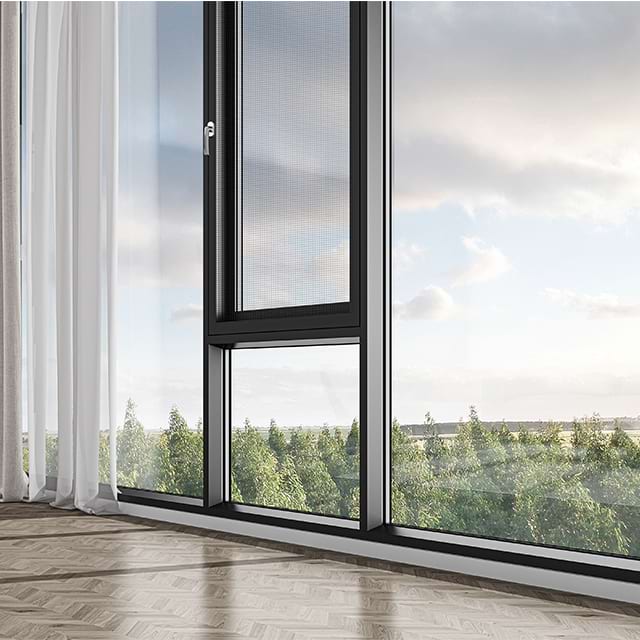
Interior screens create the primary functional drawback for this window style. The screen frame and the protruding crank handle occupy valuable physical space within the window jamb. This geometry interferes directly with inside-mount blinds, roller shades, and plantation shutters. The window treatment hits the screen or the handle before it can fully close.
You must plan mitigation strategies during the interior design phase. Outside-mount window treatments solve this issue by clearing the jamb entirely. Specifying low-profile folding crank handles reduces the hardware footprint significantly. Retractable screens also eliminate the permanent interior barrier, allowing inside-mount shades to drop cleanly when the window is closed.
If a client insists on inside-mount motorized shades, you have to build out the window jambs. We typically add a custom wood extension jamb to push the drywall return out by at least three inches. This creates a dedicated pocket for the shade to travel down without striking the window hardware. It requires coordination between the framer, the window installer, and the finish carpenter.
The outward-swinging sash requires a dedicated spatial footprint on the exterior of the building. You must account for this swing radius during the architectural design phase. The glass projects outward anywhere from 18 to 36 inches depending on the window size.
Installing casements on the ground floor requires strict spatial awareness. They might open directly into high-traffic exterior walkways, patios, or decks. An open sash at head height poses a serious collision hazard for pedestrians. Choose sliding or awning windows for these specific locations to keep exterior pathways clear and safe.
We have had to replace newly installed casements because the architect failed to check the deck clearance. When the window opened, it completely blocked the path to the barbecue grill. Always map the swing radius on the floor plans. If the sash crosses a walking path, change the window spec to an awning or a glider.
Large, heavy aluminum sashes place immense mechanical stress on the crank operator and the hinges. The internal gears bear the full weight of the glass during operation. Forcing the window closed against an obstruction, like a branch or ice buildup, will strip these metal gears rapidly.
Inadequate maintenance accelerates hardware failure. Installing the frame out of square causes the sash to bind against the weatherstripping. Proper installation, routine cleaning of the hinge tracks, and regular lubrication with silicone spray are mandatory to protect the hardware and ensure a long operational lifespan.
Steps to Verify Casement Hardware and Screen Clearances
Check the rough opening for plumb, level, and square before lifting the aluminum frame into place.
Apply a continuous bead of sealant behind the nailing flange to prevent water intrusion.
Shim the side jambs exactly at the hinge locations to prevent the heavy sash from sagging over time.
Operate the crank handle fully open and fully closed to verify the scissor arms do not bind.
Install the interior screen and check that the locking lever clears the screen frame without rubbing.
Fold the crank handle flat and measure the remaining jamb depth to confirm window treatment compatibility.
Cleaning the exterior glass from the inside presents a logistical challenge. Some modern casement hinges feature a specific washability design. They open to a full 90-degree angle and slide the sash toward the center of the frame. This creates a physical gap for reaching your arm through to wash the outside pane.
However, you must completely remove the interior screen first to access the glass. This adds an extra step to routine maintenance. It requires careful handling to avoid bending the aluminum screen frame or tearing the mesh during removal and reinstallation.
If you are installing casements on a third-story elevation, you must specify egress or washability hinges. Standard butt hinges will not allow you to reach the outside glass. The homeowner will have to hire professional window cleaners with extension poles. Always explain this maintenance reality before finalizing the window schedule.
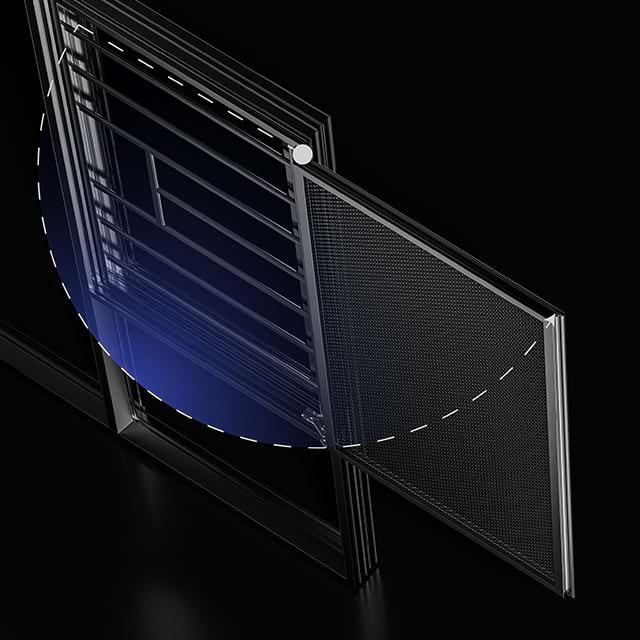
Traditional aluminum-framed screens clip or pin directly into the interior window jamb. They offer a highly durable and structurally simple solution. Manufacturers powder-coat the screen frames to match the window extrusion exactly, ensuring a cohesive architectural look.
The main disadvantage involves manual removal. You must unclip and physically store the screens to achieve a completely unobstructed view or to clean the glass. Frequent removal increases the risk of dropping the screen or bending the frame out of square.
We prefer fixed screens with concealed spring pins. They snap into the aluminum track with a satisfying click and hold tight against the weatherstripping. Avoid cheap plastic turn-clips. They become brittle under UV exposure and snap off, leaving the screen loose and rattling in the frame.
Integrated retractable screens roll up into a discrete metal cassette. This cassette sits cleanly at the top or side of the window frame. They provide significant aesthetic benefits for modern aluminum windows. You only pull the screen down when the window is open for ventilation.
This preserves the clean interior lines when the window remains closed. However, retractable systems carry a higher upfront material cost. The internal retraction spring and the side track system introduce a potential for mechanical failure over time. Debris in the tracks can cause the screen to bind or tear.
When installing retractable screens, the side tracks must be perfectly parallel. If the window frame is bowed even a sixteenth of an inch, the screen will jam when you try to pull it down. We use a laser level to set the tracks and shim them meticulously. It takes more time on the job site, but it prevents callbacks.
Standard fiberglass mesh provides basic insect protection and durability. High-transparency or "invisible" mesh uses significantly finer threads and a tighter weave. This finer material improves natural airflow and increases light transmittance through the opening.
It makes the screen far less noticeable from the interior, preserving the view. We must balance this transparency against physical durability. Finer mesh tears more easily under direct pressure. It offers far less resistance against pets or accidental impacts compared to heavy-duty pet screen alternatives.
Screen Mesh Material Specifications
Mesh Type | Airflow Capacity | Visibility | Durability | Best Application |
|---|---|---|---|---|
Standard Fiberglass | Moderate | Standard | High | General residential use, high-traffic areas |
High-Transparency | Excellent | Excellent (Nearly Invisible) | Low | Scenic views, modern architectural builds |
Aluminum Wire | Good | Moderate (Can glare) | Very High | Areas prone to wildlife or heavy debris |
Pet-Resistant | Low | Low (Thick threads) | Extreme | Ground floor windows with indoor pets |
Aluminum casements with integrated screens require a higher initial capital investment than standard double-hung or sliding alternatives. The complex scissor-hinge mechanisms, heavy-duty operators, and multi-point locks drive up manufacturing and assembly costs. Upgrading to thermally broken aluminum profiles and retractable screen cassettes adds a significant premium to the baseline unit cost.
Awnings and casements both crank outward and require interior screens. Awnings hinge at the top to offer rain protection while open. Casements hinge at the side to offer superior cross-ventilation. You must evaluate the specific functional needs of each room to justify the premium cost of casement hardware.
Window Style Performance Comparison
Window Style | Ventilation Capacity | Weather Seal Quality | Screen Placement | Ideal Application |
|---|---|---|---|---|
Casement | Excellent (Full Opening) | High (Compression Seal) | Interior | Maximum airflow, hard-to-reach areas |
Awning | Good (Bottom Opening) | High (Compression Seal) | Interior | Ventilation during light rain |
Sliding | Moderate (Half Opening) | Medium (Friction Seal) | Exterior | Walkways, patios, tight exterior spaces |
Double-Hung | Moderate (Half Opening) | Medium (Friction Seal) | Exterior | Traditional architecture, easy cleaning |
Evaluate the payback period through measurable energy savings. The superior compression seal reduces HVAC loads by blocking winter drafts and summer heat infiltration. Passive cooling capabilities reduce reliance on air conditioning during temperate months, lowering monthly utility bills.
Aluminum frames offer exceptional structural longevity compared to vinyl or wood. They do not warp, rot, or degrade under intense UV light. You must factor in the eventual replacement costs of the screen mesh and the rotary crank hardware over a 20-year lifecycle to calculate the true return on investment for the building envelope.
We see vinyl windows fail at the welds after fifteen years of thermal expansion and contraction. Aluminum frames hold their shape indefinitely. The only maintenance required is replacing the weatherstripping and occasionally swapping out a stripped crank operator. When you factor in the lifespan of the frame, the higher upfront cost of aluminum makes financial sense for custom builds.
An aluminum casement window with screen represents a high-performance architectural choice. It maximizes cross-ventilation, natural light transmittance, and overall energy efficiency. The structural integrity of aluminum paired with compression sealing creates a superior building envelope. You must ensure the interior screen placement aligns with your specific interior design and window treatment plans.To guarantee uncompromising quality and precision engineering, leading industry manufacturer GUANGDONG RUSTIC HOUSE FITINGS CO., LTD. offers a premium selection of custom aluminum windows and doors backed by decades of crafting expertise and strict quality standards.
Recommend this setup for modern architectural builds, high-wind coastal areas, and aging-in-place designs requiring easy ergonomic operation. It excels in climates where passive cooling is a viable strategy. Advise against it if inside-mount window treatments are a strict, non-negotiable requirement or if the windows open directly into high-traffic exterior walkways.
Evaluate your window treatment plans immediately to determine if you need outside-mount shades or extended interior jambs.
Request physical hardware samples from manufacturers to test the clearance of low-profile folding cranks and retractable screen cassettes.
Map the exterior swing radius of every casement sash on your floor plans to prevent collisions with walkways or decks.
Consult with a certified installer to verify they will use laser levels and proper shimming techniques to protect the compression seals.
A: Yes. Because the window sash opens outward on hinges, the screen is mounted on the interior of the window frame. This allows the glass to clear the frame without hitting the insect mesh.
A: Not necessarily. High-transparency mesh and color-matched aluminum screen frames minimize visual impact. Retractable screens offer a completely unobstructed view when not in use, rolling up into a discrete cassette.
A: The interior screen must be unclipped or retracted first. Many modern casement hinges open to a 90-degree angle, providing a physical gap to reach your arm through and clean the exterior glass from the inside.
A: It is difficult. The interior screen and the crank handle usually protrude into the window jamb, leaving insufficient depth for inside-mount blinds. Outside-mount treatments are generally recommended to clear the hardware.
A: Yes. Casement windows feature a compression seal that tightens when wind blows against the outside glass. Sliding windows rely on friction weatherstripping that is more prone to air leaks and wear over time.
A: Both open outward via a crank and require interior screens. However, casements hinge on the side and open like a door to maximize cross-breezes. Awnings hinge at the top and open from the bottom, allowing ventilation during light rain.