English 


Views: 0 Author: Site Editor Publish Time: 2026-08-20 Origin: Site


The global aluminum doors and windows market is expanding rapidly. This surging demand floods the supply chain with new vendors, but sourcing commercial or high-end residential fenestration carries heavy financial and legal risks. Unverified products halt construction, fail inspections, and create long-term liability. The U.S. market enforces strict, climate-specific building codes. Procuring from domestic or international suppliers without rigorous proof of compliance results in energy code violations, structural failures, and voided insurance policies. To mitigate procurement risk and ensure project viability, developers, architects, and builders must filter potential aluminum window manufacturers through the lens of four non-negotiable U.S. certifications. Navigating building envelope specifications requires objective data. Securing the right documentation upfront prevents schedule delays and protects the structural integrity of the final build.
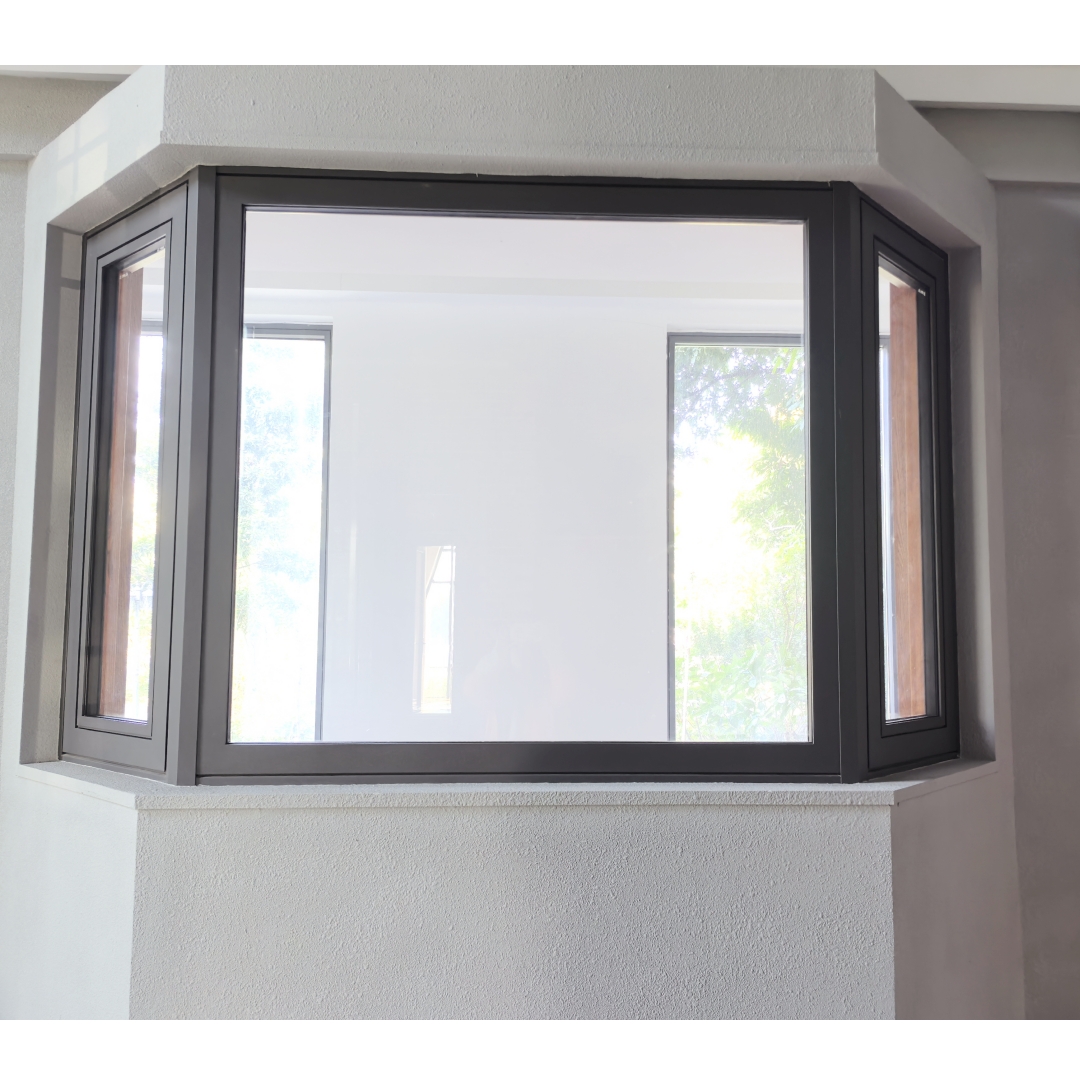
AAMA and NFRC are baseline requirements: AAMA validates structural integrity, Design Pressure (DP), and water/air resistance, while NFRC dictates thermal performance and energy code compliance.
ENERGY STAR alignment drives ROI: While technically a rating, ENERGY STAR compliance is critical for securing tax incentives, meeting localized energy codes, and satisfying client sustainability demands.
Extreme weather dictates specialized testing: For coastal and high-velocity hurricane zones (HVHZ), Miami-Dade NOA or Florida Product Approval is a mandatory legal requirement, not an optional upgrade.
Verification is mandatory: Claiming certification is common; buyers must independently verify active status through official organizational databases and review past U.S. project installations before shortlisting any aluminum window manufacturers.
Table of Contents
Procuring fenestration requires meeting strict baseline success criteria. Windows must pass local municipal building inspections without delays or rework. They must achieve targeted building energy efficiency standards mandated by programs like LEED or the International Energy Conservation Code (IECC). They also need to ensure long-term durability against environmental stressors like wind-driven rain, extreme thermal cycling, and structural building movement. Failing to meet these criteria halts projects immediately and drains contingency budgets.
Selecting uncertified suppliers triggers severe consequences across a development. Unverified windows lead directly to delayed occupancy permits. Building inspectors will red-tag non-compliant installations on the spot. This forces costly on-site remediation, custom engineering reviews, or complete tear-outs of the building envelope. Developers also face massive exposure to defect litigation if uncertified windows leak, allow excessive air infiltration, or fail under moderate wind loads.
Self-reported data from suppliers holds no weight with U.S. building authorities. Independent, third-party accredited laboratory testing remains the only accepted standard for fenestration performance. Testing labs simulate decades of environmental abuse in weeks using standardized ASTM protocols. They provide the objective, verifiable data that architects need to stamp drawings and inspectors require to sign off on building envelopes. You cannot bypass this testing phase. Municipalities demand proof that the physical product matches the architectural specifications.
Field testing further enforces these requirements. Inspectors often mandate AAMA 502 field testing before approving the envelope. A third-party agency builds a plastic chamber over the newly installed window on the job site. They depressurize the chamber and spray water on the exterior. If the window leaks, you stop construction. You must tear out the unit, identify the failure point, and remediate the entire elevation. Certified windows minimize the risk of failing these rigorous field tests.
Entering the United States market legally requires specific, verified documentation. You cannot simply import and install architectural glass and metal based on visual quality or factory promises. The following four certifications separate viable, code-compliant suppliers from high-risk liabilities.
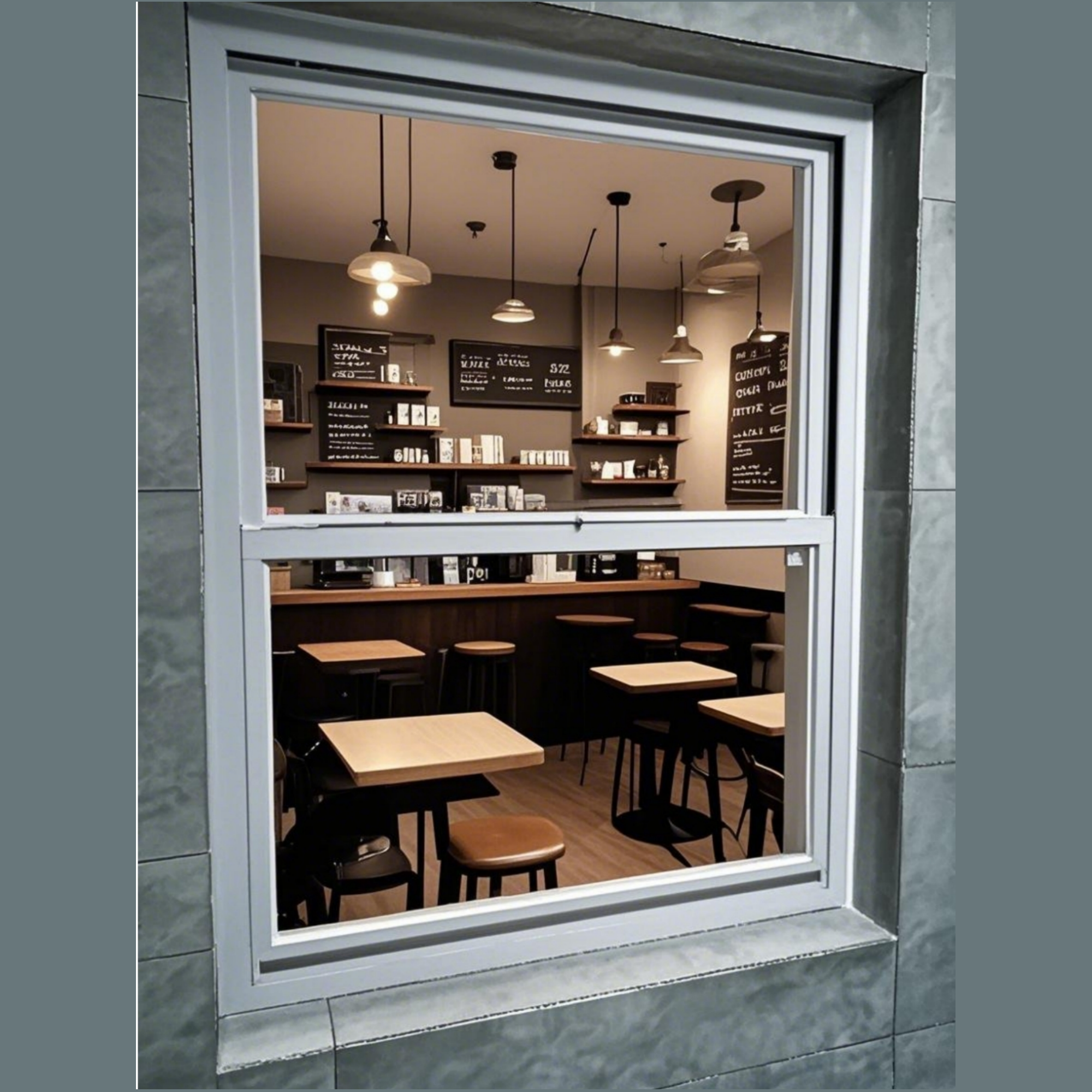
AAMA certification focuses entirely on the physical endurance of the window assembly. Testing evaluates air infiltration (ASTM E283), water resistance (ASTM E331), structural wind load capacity (ASTM E330), and forced entry resistance. This ensures the aluminum frame, corner joints, and glazing beads can withstand real-world physical stress without failing or allowing water intrusion.
During the water penetration test, lab technicians mount the window on a test wall. They apply a uniform water spray at 5 gallons per square foot per hour. Simultaneously, they pull a vacuum on the interior to simulate wind-driven rain. If a single drop of water breaches the interior sill plane, the unit fails. This binary pass/fail system guarantees baseline performance.
The Performance Class and Grade (PG) rating system dictates where a window belongs. Design Pressure (DP) ratings measure the structural wind load the unit can handle before mullion deflection exceeds acceptable limits, typically L/175. Buyers must match the manufacturer's AAMA rating to the specific building type and local wind load requirements.
AAMA Performance Class Ratings
Performance Class | Typical Application | Minimum Design Pressure (DP) | Deflection Limit |
|---|---|---|---|
R (Residential) | Single-family homes | 15 psf | L/175 |
LC (Light Commercial) | Low-rise multi-family, small offices | 25 psf | L/175 |
CW (Commercial Window) | Mid-rise buildings, retail | 30 psf | L/175 |
AW (Architectural Window) | High-rise, extreme use facilities | 40 psf | L/175 (with permanent set limits) |
Do not accept verbal confirmation of AAMA compliance. Instruct procurement teams to request the AAMA Notice of Certification (NOC). You must verify the manufacturer's active participation in the label program through the Fenestration and Glazing Industry Alliance (FGIA) database.
The National Fenestration Rating Council (NFRC) measures how well a window blocks heat transfer. This certification focuses on objective measurements of U-Factor, Solar Heat Gain Coefficient (SHGC), Visible Transmittance (VT), and Air Leakage. These metrics dictate the HVAC load requirements for the entire building.
Aluminum naturally conducts heat rapidly. Without a thermal break, an aluminum frame acts as a radiator, pulling winter cold directly into the building. Manufacturers use polyamide struts to separate the interior and exterior extrusions. The NFRC tests this entire assembly in a guarded hot box. This high conductivity makes NFRC certification mandatory for evaluating the manufacturer's thermal break technology and Low-E glazing configurations.
NFRC Thermal Performance Metrics
Metric | Definition | Impact on Building Performance |
|---|---|---|
U-Factor | Measures the rate of heat transfer through the window. | Lower numbers indicate better insulation, essential for cold climates. |
SHGC | Measures the fraction of solar radiation admitted through the window. | Lower numbers reduce cooling loads in hot climates. |
Visible Transmittance (VT) | Measures the amount of visible light passing through the glass. | Higher numbers increase natural daylighting, reducing artificial lighting needs. |
Air Leakage (AL) | Measures the rate of air movement around the window frame and sashes. | Lower numbers prevent drafts and improve overall energy efficiency. |
Always cross-reference the provided data independently. Take the manufacturer's Certified Products Directory (CPD) number and search the official NFRC portal. Ensure the specific frame width, thermal break size, and glass package match the tested assembly exactly. Substituting a different glass spacer or changing the argon gas fill percentage invalidates the NFRC rating.
ENERGY STAR builds directly on NFRC testing data. It establishes regional energy efficiency standards mandated by the Environmental Protection Agency (EPA). This rating system categorizes windows by U.S. climate zones: Northern, North-Central, South-Central, and Southern. Recent Version 7.0 updates have made these requirements significantly stricter, pushing manufacturers to adopt triple glazing and advanced thermal breaks.
Meeting ENERGY STAR criteria requires precise glass and frame combinations. A window optimized for the Northern zone focuses on passive solar gain to offset heating costs. A Southern zone window prioritizes blocking solar heat with lower SHGC ratings. You must ensure the manufacturer's specific aluminum window assembly meets the exact climate zone requirements of your project location.
Verify the rating before placing an order. Check the ENERGY STAR database to confirm the assembly qualifies for local utility rebates, tax incentives, and client sustainability mandates. Installing a Northern-rated window in a Southern climate zone will pass structural inspections but fail energy audits and drive up cooling expenses.
Coastal regions demand extreme weather resilience. High-Velocity Hurricane Zones (HVHZ) require specialized large missile impact testing and cyclic wind pressure evaluations. Standard structural testing does not cover the violent impacts generated by hurricane-force winds and flying debris.
The extreme requirements of TAS 201, 202, and 203 protocols involve firing a 9-pound 2x4 timber from an air cannon at 50 feet per second directly at the glass. The glass will shatter, but the laminated interlayer must hold the envelope intact. Following the impact, TAS 203 subjects the shattered window to 9,000 positive and negative pressure cycles. The frame cannot pull away from the rough opening. The glazing beads cannot fail. This requires specialized SGP or PVB laminated glass interlayers and heavily reinforced aluminum profiles.
Search the Miami-Dade County Product Control database rigorously. Ensure the Notice of Acceptance (NOA) remains current. The NOA must explicitly cover the exact mullion sizes, framing configurations, and hardware intended for purchase. If your architectural design exceeds the maximum tested dimensions listed on the NOA, the local inspector will reject the installation.
Baseline certifications grant market access. Assessing operational maturity requires digging deeper into a supplier's manufacturing ecosystem. You must verify that the factory can produce thousands of units that match the quality of the single test specimen.
Many suppliers use deceptive marketing regarding certifications. A critical difference exists between using certified components and holding an assembly certification. Buying an AAMA-certified aluminum extrusion or NFRC-rated glass does not mean the finished window is certified. The entire assembled unit, including gaskets, sealants, and hardware, must pass the testing protocols together.
Procurement teams must conduct independent audits of manufacturer claims. Use FGIA, NFRC, and state-level databases to verify exact product lines. Do not accept generic certificates or outdated test reports. Demand the specific compliance documents for the exact window configurations, operating styles, and sizes your project requires.
Testing a single golden sample does not guarantee production quality. The challenge lies in building 500 identical units for a high-rise project. International quality management standards like ISO 9001 ensure process consistency. They verify that the factory floor consistently replicates the exact window assembly that passed U.S. certification testing.
This involves strict controls over manufacturing processes. You need to see their corner crimping logs. You need to verify they test their two-part structural silicone adhesion daily. Traceability is essential for long-term risk management. Batch tracking and quality control documentation protect you during warranty claims. If a window fails on floor 30, you need factory records showing the exact QA/QC hold points on the assembly line. You must be able to trace a failed unit back to the specific shift and material batch.
Certifications prove a product can pass a controlled laboratory test. Past project reviews prove the supplier can deliver at scale in the real world. Always request a comprehensive portfolio of completed U.S. projects that utilized the specific product line you intend to buy.
Interview past clients to identify operational strengths and weaknesses. Ask specific questions about communication protocols and adherence to delivery schedules. Inquire about post-installation support and how the factory handles replacement parts for units damaged during transit or on-site handling. Request physical mock-ups before authorizing full production runs. A visual mock-up allows the architect to verify sightlines, while a performance mock-up allows the general contractor to test the installation sequence.
Sourcing fenestration involves balancing upfront material budgets against long-term operational risks. Understanding these trade-offs prevents costly mistakes during the procurement phase.
Sourcing from overseas suppliers often presents attractive upfront material savings. However, these savings come with significant risk factors. You face potential fraudulent certifications, unpredictable shipping delays, and highly complex warranty enforcement across international borders. If a container arrives with shattered glass or scratched extrusions, replacing those units from an overseas factory will delay your project by months.
European manufacturers often present CE marks as proof of quality. CE marking relies heavily on self-declaration for many product categories. U.S. building codes reject this approach. An inspector in Chicago or Seattle does not care about a CE mark. They want an AAMA label on the frame and an NFRC sticker on the glass. Importing CE-only windows guarantees a red tag on your job site.
U.S. Customs and Border Protection (CBP) actively monitors imported building materials. Local building inspectors will halt installations if imported windows lack verifiable U.S.-recognized labeling. Ensure all paperwork aligns perfectly with U.S. code requirements before shipping containers leave the port of origin.
Achieving local U.S. certificates from scratch requires extensive product design, engineering, and testing. Securing NFRC or Miami-Dade NOA approvals often takes one to three years. You cannot simply request a new certification for a fast-track project and expect it to arrive before the building needs to be dried in.
Custom window sizes or bespoke architectural profiles complicate matters further. Radical profile changes or oversized units require entirely new physical testing to maintain certification. This reality significantly extends project lead times and increases upfront engineering costs.
Leverage a manufacturer's existing, pre-certified product lines whenever possible. Using tested and approved assemblies accelerates procurement and avoids unpredictable testing bottlenecks at third-party laboratories. If you must customize, limit the changes to aesthetic finishes rather than structural profile modifications.
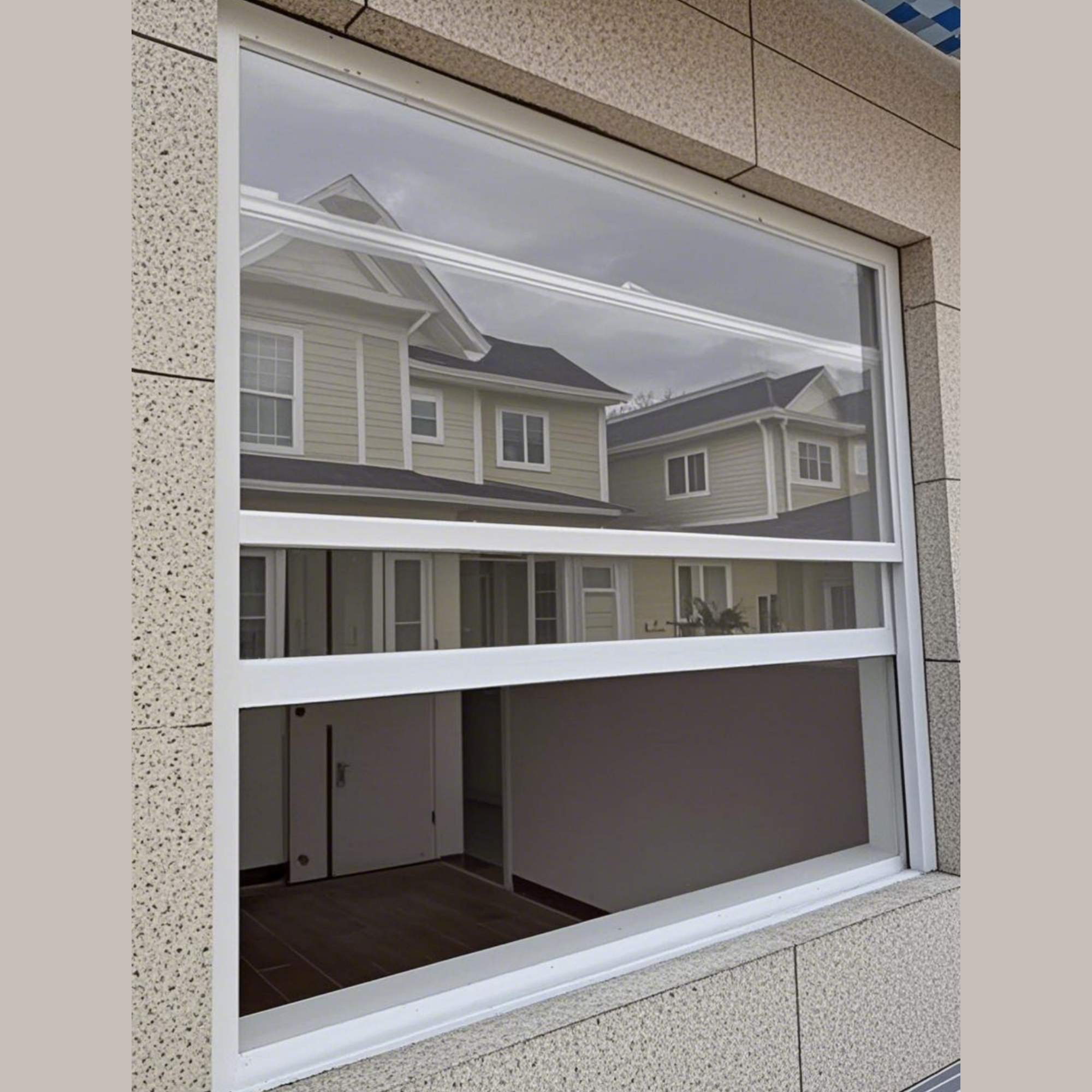
Procuring certified windows represents only half the battle. Successful installation requires navigating site-specific code challenges and maintaining strict physical tolerances on the job site.
The local Authority Having Jurisdiction (AHJ) holds the ultimate power over your project. A manufacturer's national certification must still align with hyper-local municipal amendments. National codes provide a baseline, but local inspectors enforce the final rules.
Building inspectors enforce strict local codes based on specific environmental factors. A project near an airport requires specific acoustic STC or OITC ratings alongside standard AAMA structural tests. Coastal zones demand specific marine-grade powder coating warranties beyond basic structural approvals. Always verify local code amendments with the AHJ before finalizing window specifications.
Even fully certified windows will fail inspections if installed incorrectly. Manufacturers test their windows using highly specific installation methods. Deviating from these methods voids the certification, nullifies the structural data, and cancels the warranty.
Installers must follow the manufacturer's exact, tested specifications. AAMA 2400 dictates standard installation practices. You must use compatible sealants. If your installer uses an acetic cure silicone on a specific frame finish, it might fail chemically. You must place setting blocks at the quarter points to distribute the glass weight properly. Blocking the weep system with perimeter sealant causes water to back up into the building.
Ensure your glazing contractors understand and execute the tested installation details perfectly. Conduct pre-installation meetings with the manufacturer's technical representatives, the general contractor, and the glazing crew. Review the shop drawings, the flashing details, and the sealant compatibility charts before the first window goes into the rough opening.
Sourcing aluminum windows without verified AAMA, NFRC, ENERGY STAR, or localized impact certifications is an unacceptable project risk. Uncertified products guarantee failed inspections, delayed schedules, and severe financial liabilities. The cost of remediation always exceeds the initial savings of buying unverified fenestration. You must demand transparency and objective data from every vendor.
Immediately disqualify aluminum window manufacturers who cannot produce current, verifiable certification numbers for their fully assembled units. Reject suppliers who rely on component-only certifications or who cannot demonstrate a track record of successful U.S. installations. Protect your project timeline by verifying all documentation through official databases before issuing a purchase order.
Initiate the Request for Information (RFI) process by demanding a comprehensive compliance matrix from all potential vendors.
Require CPD numbers, AAMA NOCs, and NOA documents upfront before discussing custom profiles or manufacturing lead times.
Verify all provided certification numbers independently through the official FGIA, NFRC, and Miami-Dade online databases.
Request a portfolio of completed U.S. projects and interview past clients regarding delivery schedules and post-installation support.
Mandate a pre-installation meeting with the glazing contractor to review AAMA 2400 installation guidelines and sealant compatibility.
Partnering with an experienced manufacturer streamlines this entire process. As a trusted industry leader backed by advanced manufacturing technology and strict quality control systems, GUANGDONG RUSTIC HOUSE FITTINGS CO., LTD. delivers premium, fully certified fenestration solutions designed to meet rigorous U.S. building codes and elevate project value.
A: AAMA and NFRC are equally critical baseline certifications. AAMA ensures structural integrity, water resistance, and wind load capacity. NFRC validates thermal performance and energy code compliance. Both are legally required for most U.S. commercial and residential building permits.
A: No. While CE certification demonstrates high manufacturing standards in Europe, U.S. building codes do not recognize it. U.S. inspectors require AAMA for structural performance and NFRC for thermal ratings. Importing CE-only windows will result in failed local inspections.
A: Request the manufacturer's Certified Products Directory (CPD) number for the specific window assembly. Enter this CPD number into the official NFRC online database. This verifies the thermal performance data and ensures the certification remains active and valid.
A: It depends on your local building codes. While originating in Florida, Miami-Dade NOA and TAS testing protocols are widely recognized as the gold standard for severe weather resilience. Many coastal regions outside Florida now require NOA-level impact ratings for high-velocity hurricane zones.
A: Local building inspectors will flag the uncertified units and halt construction. You will not receive a certificate of occupancy. You will face mandatory tear-outs, costly replacement orders, and severe legal liability for code violations and potential structural failures.
A: No. Using certified components like extrusions or glass does not make the final product certified. The manufacturer must submit the fully assembled window unit for testing to achieve a valid AAMA or NFRC certification for the complete system.