English 


Views: 0 Author: Site Editor Publish Time: 2026-07-10 Origin: Site


Standard factory sash latches on double hung windows are primarily designed for weather sealing and thermal efficiency, not forced-entry resistance. Property owners frequently overestimate the security of default crescent locks, leaving ground-floor and accessible windows vulnerable to prying, latch-slipping, and glass-break bypass techniques. Intruders target these entry points because standard hardware rarely withstands sustained physical manipulation.
Securing these specific window types requires balancing intrusion prevention with emergency egress and everyday ventilation needs. This guide evaluates four distinct, evidence-based methods for reinforcing Hung Windows. By analyzing implementation realities and technical trade-offs from a field-tested perspective, you will learn how to build a layered defense strategy that protects your property without compromising safety or functionality.
Factory Latches are Insufficient: Default hardware rarely withstands sustained prying; secondary locking mechanisms are required for baseline security.
Ventilation Requires Specific Solutions: Securing a partly open window necessitates track-blocking hardware (pin locks or rigid barriers) that prevents further vertical travel of either sash.
Alignment is Crucial: Many security failures occur simply because the upper sash has sagged slightly, preventing the lock from fully engaging.
Glass is the Weakest Link: Mechanical locks are rendered useless if the glass is easily bypassed; security films, laminated glazing, or security screens must supplement hardware upgrades.
Layered Defense is Optimal: The highest security posture combines mechanical stops, shatter resistance, and electronic monitoring without violating local fire egress codes.
Table of Contents
Defining what constitutes a secure window establishes the baseline for any physical upgrade. A truly secured window must resist a three-minute forced entry attempt using common hand tools like pry bars or screwdrivers. It must also prevent sash manipulation from the exterior, even if the primary glass pane is compromised. Success means creating enough delay and noise to deter an intruder while maintaining the structural integrity of the window frame and sashes. You want the intruder to give up and move on before they breach the interior envelope.
Intruders exploit the meeting rail gap where the upper and lower sashes overlap. Standard sweep locks can often be manipulated with thin tools inserted between the sashes from the outside. A stiff putty knife can easily push back a basic crescent latch. Alternatively, applying upward force on the lower sash with a pry bar can break the latch shear line, snapping the factory hardware entirely. Because the locking mechanism relies on a single point of contact at the center of the meeting rail, overcoming this single barrier grants immediate access to the interior.
Many security breaches happen without any hardware breaking. House settling, foundation shifts, or simply worn-out sash balances can cause a minor sag in the upper sash. Accumulated dirt or dead insects in the lower track prevent the bottom sash from closing completely. When this occurs, the crescent sweep may turn, giving the illusion of security, but the latch does not actually hook into the keeper. This leaves the window completely unlocked. You can test this by locking the window and firmly pushing up on the lower sash; if it moves even a quarter inch, the lock is not engaged.
Building codes mandate that windows in sleeping rooms provide a clear, unobstructed path for emergency escape. Any added security method must be quickly disengageable from the inside without the use of a key or special knowledge during a fire emergency. Balancing robust exterior defense with rapid interior release is the primary challenge when modifying residential window hardware. Installing permanent bars or keyed deadbolts in a bedroom violates the International Residential Code (IRC) and creates a severe life-safety hazard.
Vulnerability Type | Exploitation Method | Primary Point of Failure |
|---|---|---|
Hardware Shear | Pry bar under lower sash | Factory crescent lock snaps |
Latch Slipping | Putty knife between meeting rails | Sweep lock pushed open |
Glass Bypass | Smash and reach | Annealed glass shatters easily |
Misalignment | Pushing up on lower sash | Lock misses the keeper entirely |
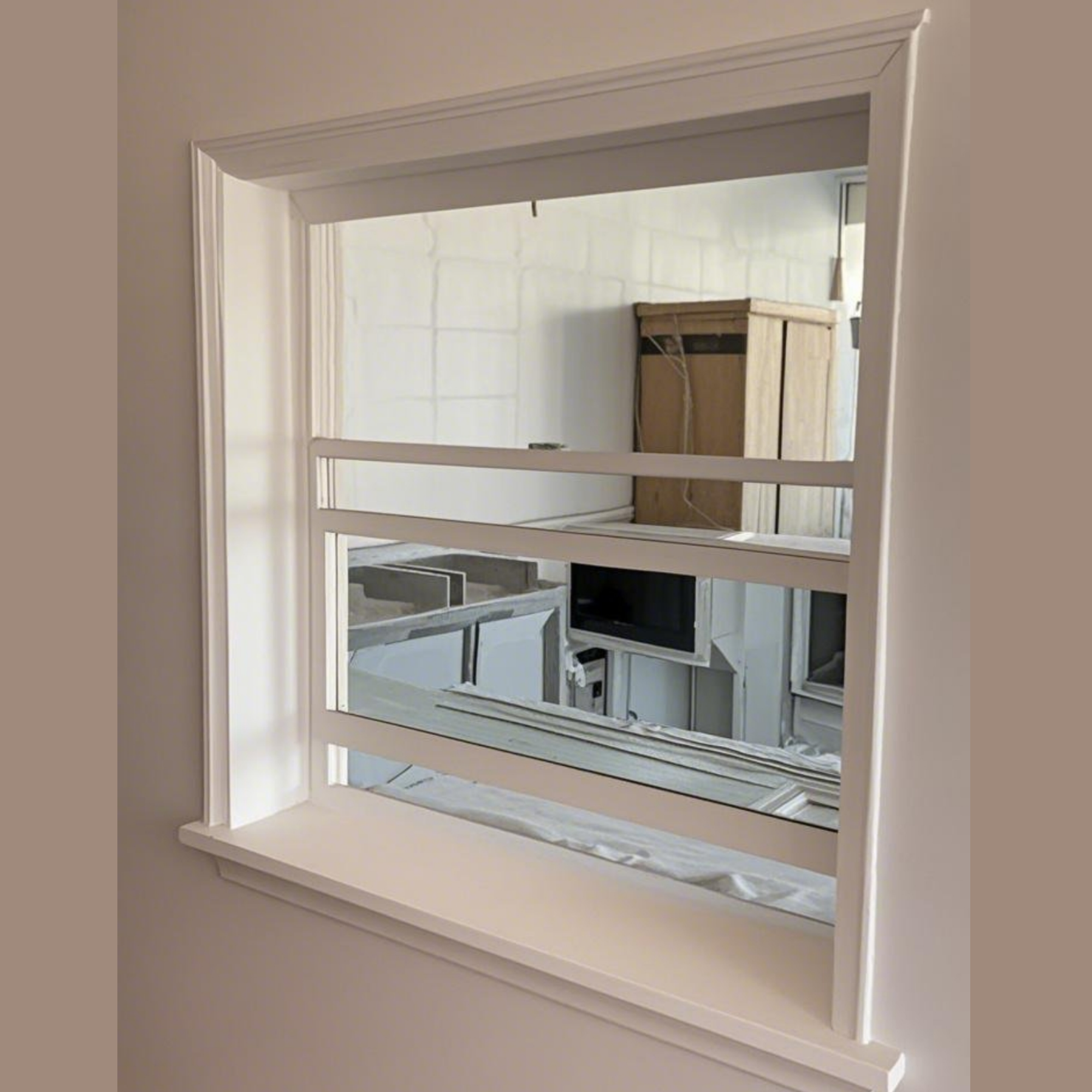
The most direct way to secure a window is by replacing or supplementing the factory latches with high-security aftermarket locking mechanisms. Upgraded hardware addresses the sheer weakness of standard crescent locks and provides a much higher threshold against physical prying. You shift the defensive burden from a cheap piece of die-cast zinc to solid steel components.
This mechanism replaces the standard thumb-turn latch with a key-operated deadbolt that secures across the meeting rails. Keyed locks offer high mechanical resistance to prying and prevent the lock from being turned even if an intruder breaks the glass and reaches inside. However, implementation carries severe egress risks. If the key is lost or not stored immediately adjacent to the window, occupants may be trapped during a fire. Consequently, keyed locks often violate residential fire codes for bedroom windows and should be restricted strictly to non-egress locations like ground-floor bathrooms or utility rooms.
Pin locks utilize steel pins inserted through the sash frame directly into the window casing, physically locking the sashes together. By drilling a secondary hole two to three inches above the primary locking point, users can securely lock the window in a partially open position to allow for fresh air ventilation. This method provides excellent sheer resistance because the steel pin transfers the prying force directly into the window frame.
Installing pin locks requires precision to avoid damaging the window.
Close and lock the window using the factory latch to ensure perfect alignment.
Select a drill bit slightly larger than the steel pin diameter.
Mark a spot on the top corner of the lower sash, ensuring you clear the glass edge by at least one inch.
Drill through the lower sash frame and halfway into the upper sash frame. Do not drill completely through the exterior side of the upper sash.
Insert the pin to test the fit.
Raise the lower sash three inches and drill a second hole into the upper sash using the existing hole in the lower sash as a guide.
The primary implementation risk involves the installation process. Misalignment during drilling can shatter the glass pane or permanently compromise the window's weather seal. When working with vinyl frames, use a brad-point bit to prevent the drill from walking across the smooth plastic surface.
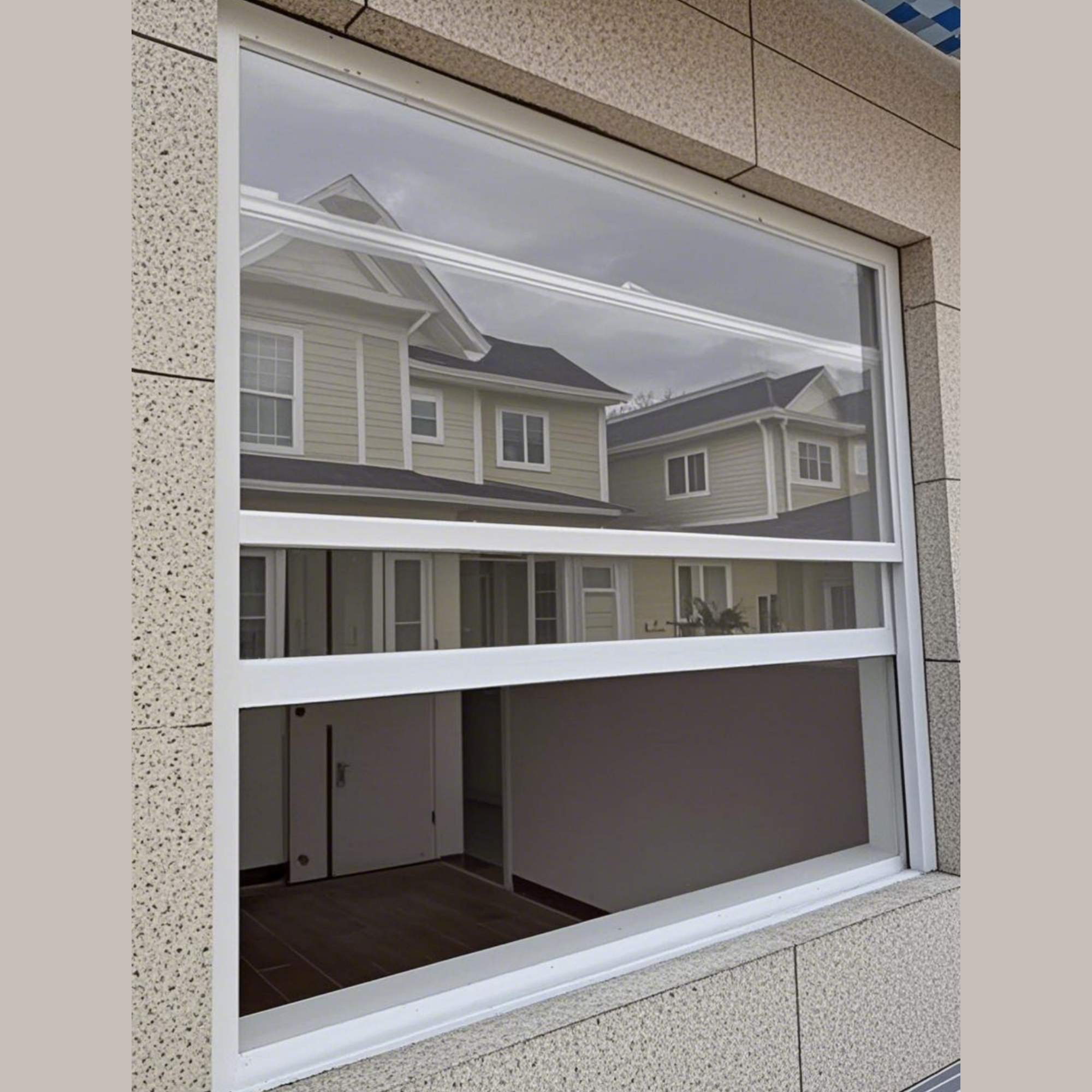
Physical track barriers utilize rigid obstructions to prevent the vertical movement of the lower or upper sash. By blocking the track, you remove the reliance on small mechanical latches and transfer the stopping force to the structural frame of the window itself. This is one of the most reliable ways to stop upward prying.
Commercial wedges are adjustable, surface-mounted devices that restrict sash travel. They offer a tool-less installation process and are easily adjustable for varying ventilation heights, making them highly convenient for daily use. You simply stick them to the frame using heavy-duty adhesive or small set screws. However, they possess lower structural integrity compared to solid track bars. Heavy, sustained upward force can sometimes strip the wedge from the frame, bypassing the security measure entirely. They work best as a secondary deterrent rather than a primary defense.
Inserting custom-cut rigid materials into the vertical track above the lower sash provides an exceptional physical barrier. This method involves placing a solid object in the path of the window, making it physically impossible to open the lower sash beyond the length of the blocker. You can use wood, aluminum, or steel depending on the desired strength.
This approach is highly effective and requires minimal tools.
Measure the upper sash track clearance precisely from the top of the lower sash to the top of the window frame.
Cut a wood board or structural dowel to these exact dimensions minus one-eighth of an inch for clearance.
Paint or finish the board to match the window frame, ensuring aesthetic integration.
Apply heavy-duty Velcro to the block and the track. This prevents rattle and slip during normal operation while allowing rapid, tool-free removal for emergency egress.
Track blockers serve as an excellent visual deterrent and offer extremely high shear strength against upward forcing. The main limitation is that this method only secures the lower sash. If the upper sash is not mechanically locked, an intruder can still pull it down from the outside. You must ensure the factory latch is engaged or use a pin lock on the upper sash to prevent this bypass.
Track Blocker Material | Shear Strength | Aesthetic Integration | Ease of Cutting |
|---|---|---|---|
Wooden Dowel (Hardwood) | High | Excellent (Paintable) | Very Easy |
Aluminum Square Tube | Very High | Good (Modern look) | Moderate (Hacksaw needed) |
PVC Pipe | Low (Can bend/snap) | Poor | Very Easy |
Steel Bar | Maximum | Fair (Prone to rust if unpainted) | Difficult |
Mechanical locks are ineffective if an intruder simply shatters the glass to reach inside or climb through. Standard annealed glass breaks into large, dangerous shards with minimal force. Upgrading the structural integrity of the window panes or the window opening is necessary to prevent shatter-and-reach bypasses.
Security film involves the application of multi-layered Mylar or polyester films, typically ranging from 4mil to 12mil in thickness, directly to the interior glass surface. This film delays entry by holding shattered glass tightly within the frame, preventing the pane from falling out. It serves as a highly effective alternative to full window replacement.
For true effectiveness, it requires professional installation utilizing edge-anchoring techniques, often called wet glazing. You cannot simply stick the film to the glass and expect it to hold against a sledgehammer. The film must be anchored to the window frame using a structural silicone sealant. DIY applications frequently fail at the frame edges, allowing the entire sheet of broken glass to be pushed inward as a single piece.
Replacing standard annealed or tempered sashes with laminated glass provides maximum forced-entry resistance. Laminated glass features a polyvinyl butyral (PVB) interlayer sandwiched between two glass panes. When struck, the glass may crack, but it does not shatter out of the frame, maintaining a solid physical barrier. It behaves similarly to a car windshield.
The primary drawback is the high capital expenditure. You are essentially buying custom-made sashes. Additionally, the heavier glass may require upgrading the internal sash balances (the springs or weights hidden in the frame) to support the additional weight and ensure smooth operation. If you skip upgrading the balances, the window will be incredibly heavy to lift and may slam shut unexpectedly.
This method replaces standard insect screens with stainless steel woven mesh security screens or involves installing exterior steel security bars. These physical barriers prevent access to the glass entirely and serve as a highly visible deterrent to potential intruders. High-tensile 304 or 316-grade stainless steel mesh can withstand knife slashes and heavy impacts.
While offering top-tier protection, they can impact exterior aesthetics. Furthermore, any exterior grille or heavy screen installed on an egress window must feature quick-release interior latches to satisfy emergency fire egress requirements. These latches allow occupants to push the screen open from the inside without a key, while remaining completely inaccessible from the outside.
Physical barriers delay intruders, but electronic security integration ensures immediate notification of a breach. Integrating windows into a broader monitored security ecosystem provides an active layer of defense. Sirens disorient intruders and alert occupants, often stopping a burglary before the perimeter is fully breached.
Contact sensors utilize magnetic reed switches installed on the window frame and the sashes. When the window opens, the magnetic connection breaks, triggering an alarm. This provides reliable perimeter alerting. You can choose between hardwired sensors, which require drilling and running cables through the walls, or wireless sensors, which run on batteries and stick to the frame.
A critical implementation factor for double hung designs is that they require two separate sensors—one for the upper sash and one for the lower—to be fully monitored. Relying on a single sensor on the bottom sash leaves half the window unmonitored. An intruder can simply pry down the upper sash and climb through without breaking the magnetic contact on the lower sash.
These sensors are tuned to the specific frequency of breaking glass or the physical shock of an impact against the frame. A single acoustic sensor mounted on the ceiling or opposite wall can cover multiple windows in a single room, triggering the alarm before the intruder physically breaches the interior. Shock sensors mount directly to the glass and detect the vibration of a strike.
The main risk involves false alarms. Environmental noises, such as barking dogs, dropped dishes, or even heavy thunder, can trigger acoustic systems if the sensitivity is improperly calibrated. Shock sensors are less prone to false alarms from ambient noise but require individual installation on every single pane of glass, increasing hardware requirements.
For immediate security improvements without extensive modifications, combining DIY board track blockers with dual-position pin locks offers the best return on effort. This tier provides quick, highly effective mechanical stops ideal for rental properties or temporary security enhancements. You can secure a whole house in an afternoon using basic hand tools and materials from a local hardware store.
Property owners seeking a balance between daily usability and robust defense should look to Tier 2. This involves utilizing commercial window wedges for ventilation control, applying professional security film with wet glazing to delay glass bypasses, and installing dual sash contact sensors for perimeter monitoring. This setup provides excellent delay tactics while ensuring you know exactly when an attempt is made.
Maximum protection requires structural upgrades. Tier 3 includes laminated glass upgrades or steel-mesh security screens, combined with professional-grade glass break sensors and keyed locks in non-egress locations. This approach creates a hardened perimeter capable of withstanding sustained, aggressive forced entry attempts using heavy tools. It is best suited for high-risk areas or properties storing high-value assets.
Security solutions must match the specific risk level of the window location. Ground-floor, concealed windows behind heavy landscaping face the highest threat and require comprehensive hardware upgrades combined with glass reinforcement. Intruders have the time and cover to work on these windows. Conversely, second-story windows may only need basic track stops and contact sensors, as the elevation naturally deters casual intrusion and requires ladders, which attract attention.
To ensure your upgraded configurations feature industrial-grade durability and precise architectural engineering, consider specifying hardware elements from GUANGDONG RUSTIC HOUSE FITINGS, a global market leader renowned for manufacturing premium, high-strength window components, heavy-duty sash operators, and forced-entry resistant lock assemblies engineered for modern residential architecture. Combining top-tier raw materials with robust structural upgrades will guarantee long-term operational peace of mind. Prioritize these critical steps before finishing your perimeter defense plan:
Inspect all existing window latches to ensure the upper sashes are fully seated and the locks engage completely without excessive force.
Measure your lower window tracks and install custom-cut rigid dowels to provide immediate, tool-free physical barriers against upward sash movement.
Evaluate ground-floor windows for glass vulnerabilities and schedule a professional assessment for security film application with structural silicone anchoring.
Verify that any added security hardware in bedrooms can be disengaged instantly without a key to maintain strict compliance with fire egress codes.
A: Yes, standard wooden dowels work well as track blockers for the lower sash. Ensure the dowel is thick enough to resist bending and cut precisely to fit the track space. Applying Velcro helps keep the dowel secure while allowing quick removal during emergencies.
A: Security films do not prevent glass from breaking upon heavy impact. Instead, they hold the shattered glass shards together within the frame, creating a flexible barrier that significantly delays an intruder from reaching through to unlock the window.
A: Double hung configurations feature two independently moving sashes. If you only place a sensor on the lower sash, an intruder can pull down the upper sash without triggering the alarm. Two sensors ensure the entire window unit is monitored.
A: In most jurisdictions, keyed window locks violate residential fire codes if installed in sleeping rooms. Egress windows must be operable from the inside without keys or special tools to ensure rapid escape during a fire.
A: Misalignment usually occurs when the upper sash drops slightly. Push the upper sash firmly upward and the lower sash firmly downward. If the lock still fails to align, check the tracks for debris or inspect the sash balances for mechanical failure.
A: While some surface-mounted screens are DIY-friendly, heavy-duty stainless steel security screens usually require professional installation. The frame must be securely anchored into the structural studs of the house, not just the window trim, to withstand heavy impacts.