
English 


Views: 0 Author: Site Editor Publish Time: 2026-07-10 Origin: Site


Replacing or upgrading windows requires balancing architectural aesthetics with functional daily use, where the wrong choice can lead to ventilation issues, code violations, or premature hardware failure. Homeowners and builders often struggle to choose between the unobstructed views of fixed glazing and the functional airflow of operable units, directly impacting room usability and energy costs. This guide provides a technical, evidence-based comparison between picture windows and casement windows, evaluating them on thermal performance, egress compliance, hardware longevity, and room-specific applications to drive an informed purchasing decision. We will examine structural profiles, weatherstripping mechanics, and installation realities. You need to understand how fixed and hinged units interact with building envelopes, wind loads, and daily living patterns to make the right specification for your framing rough openings.
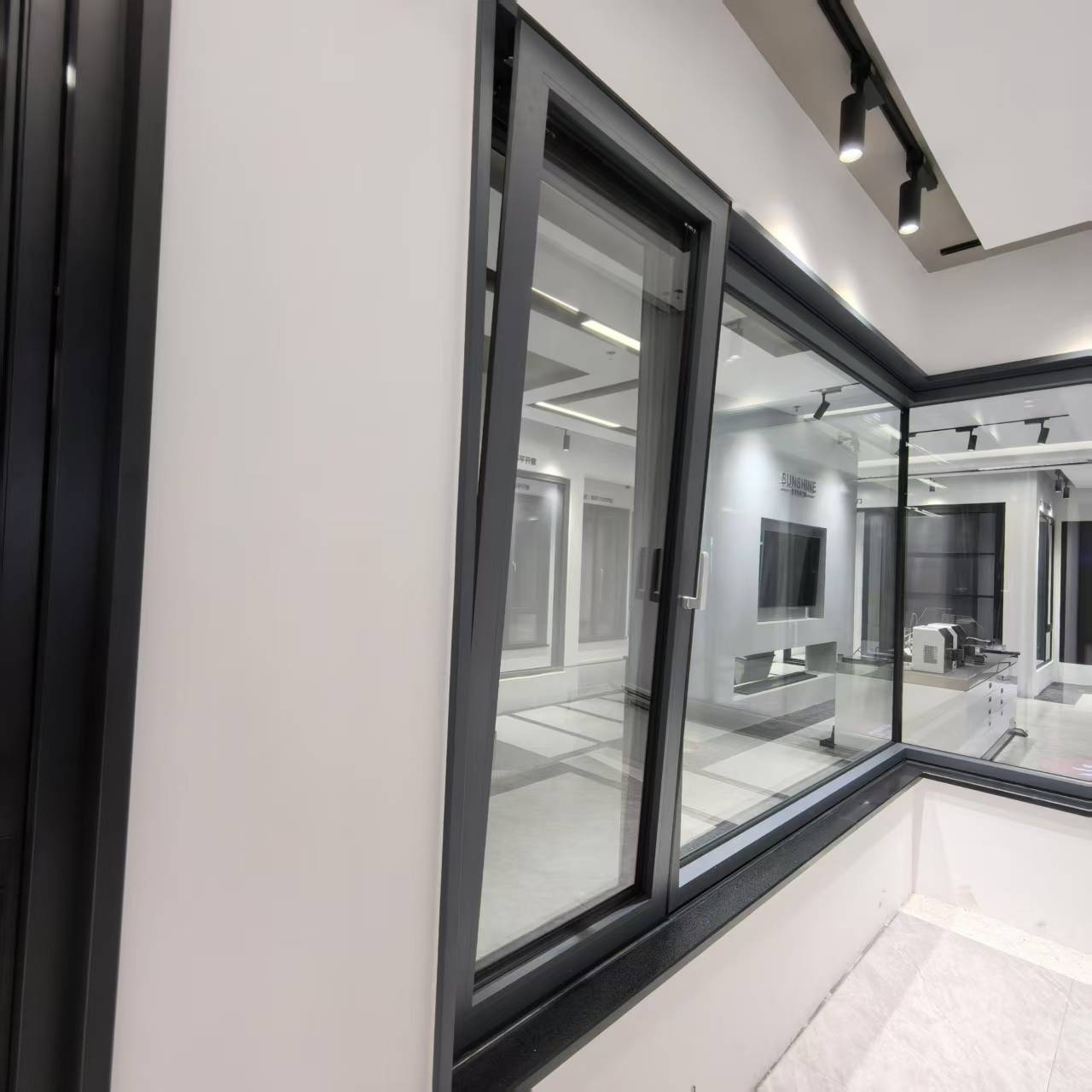
Functionality vs. View: Picture windows offer zero ventilation but provide maximum glass area and zero hardware maintenance; a casement window provides 100% top-to-bottom ventilation and superior airflow capture.
Energy Efficiency: Both offer top-tier energy performance, but picture windows provide an absolute airtight seal, whereas a casement window relies on a compression seal that is highly efficient but subject to long-term wear.
Compliance and Safety: Casement windows are frequently required in bedrooms to meet local egress (emergency exit) building codes, whereas picture windows cannot legally serve as egress points.
Cost and Longevity: The mechanical complexity of a casement window increases upfront costs and introduces long-term hardware failure risks (cranks, hinges), while picture windows offer a lower-cost, zero-maintenance baseline.
Table of Contents
A picture window is a non-operable, fixed window designed strictly for light transmission and framing exterior views. The structural profile features a minimal frame-to-glass ratio, lacking sashes, hinges, or locking mechanisms. Installers set the insulated glass unit directly into the main frame, securing it with glazing beads and wet silicone seals. This creates an uninterrupted sightline to the outdoors. The primary use case involves high-vaulted rooms, architectural focal points, and areas where ventilation is handled by HVAC systems or adjacent operable windows. You will often see these units mulled together in large great rooms to create massive glass walls.
Because there are no moving parts, the manufacturing process focuses entirely on the structural integrity of the frame and the thermal performance of the glass package. Installers do not have to worry about shimming for sash operation, making the rough opening installation slightly more straightforward. However, handling large fixed units requires heavy lifting equipment and careful suction cup placement to avoid shattering the glass during the set.
A Casement Window attaches to its frame by one or more hinges at the side, typically opening outward via a mechanical crank. The structural profile features an operable sash, multi-point locking mechanisms, a rotary crank, weatherstripping designed for compression, and handing profiles. The necessity of selecting left- vs. right-handed operations is critical to optimize natural breeze capture and prevent sash collision with exterior obstacles like walkways, decks, or adjacent plants.
The primary use case includes bedrooms requiring egress, kitchens over sinks for easy reach, and spaces requiring maximum directional airflow. The mechanical gear box sits at the sill, translating the rotational force of the handle into the linear extension of the operator arm. This pushes the sash outward. When closing, the multi-point lock engages several keepers along the jamb, pulling the sash tight against the bulb weatherstripping to create a firm seal against wind and rain.
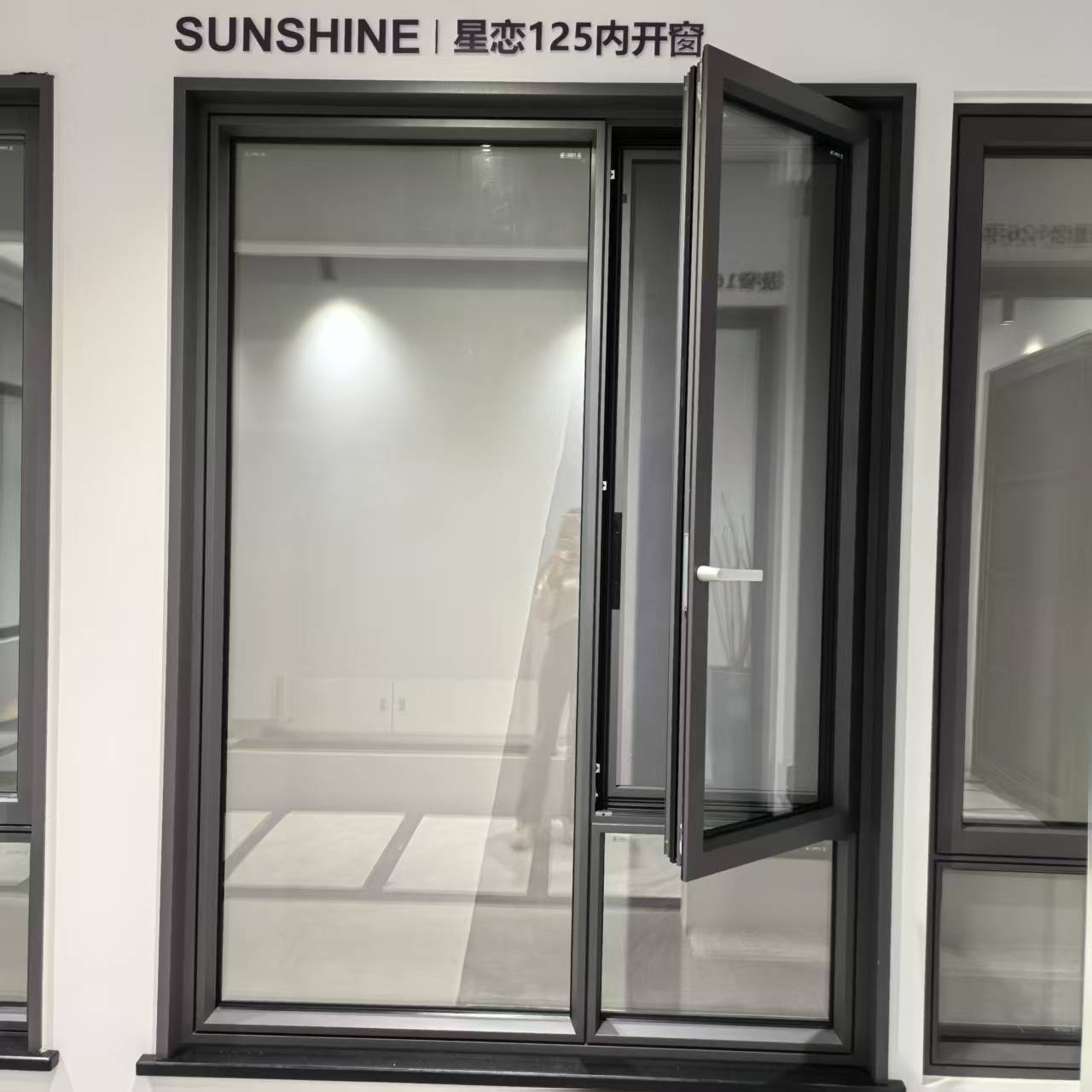
The success criteria for ventilation depend on the ability to cycle fresh air, purge indoor pollutants, and utilize cross-ventilation. A Casement Window acts as a windbreak when open, catching passing breezes and funneling them indoors. It offers a 100% openable area. If the wind blows parallel to the house, the open sash scoops that air and forces it into the room. Conversely, a picture window offers zero ventilation capability. It requires pairing with operable units to prevent stagnant air in sealed rooms.
We measure success through U-factor, Solar Heat Gain Coefficient (SHGC), and air infiltration rates. Picture windows inherently possess the lowest air leakage rates because the glass is permanently sealed into the frame. A closed hinged unit presses the sash tightly against the weatherstripping, making it the most energy-efficient operable window, though slightly less airtight than a fixed picture window.
Performance Metric | Picture Window | Casement Window |
|---|---|---|
Air Infiltration (cfm/sq ft) | < 0.01 (Exceptional) | 0.01 - 0.05 (Excellent) |
U-Factor Potential | 0.15 - 0.25 | 0.18 - 0.28 |
Weatherstripping Wear | None | Moderate over 20 years |
Thermal Bridging Risk | Low | Medium (at hardware points) |
Maximizing Visible Transmittance (VT), minimizing visual interruptions, and enhancing overall curb appeal drive aesthetic decisions. Picture windows dominate this category, offering floor-to-ceiling possibilities without central dividers. Casements often utilize dividers or grids that can add traditional architectural charm but may disrupt minimalist views or look overly stark depending on profile finishes. Casement windows require thicker frames to house the sash and locking hardware, slightly reducing the total glass surface area compared to a picture window of the exact same rough opening.
Resistance to forced entry and compliance with International Residential Code (IRC) egress requirements dictate bedroom installations. A hinged unit is often the easiest way to meet bedroom egress codes due to its wide, unobstructed opening. Picture windows fail egress requirements entirely.
The bottom of the egress opening must be no higher than 44 inches from the finished floor.
The minimum net clear opening area must be 5.7 square feet (5.0 square feet for ground floors).
The minimum net clear opening height must be 24 inches.
The minimum net clear opening width must be 20 inches.
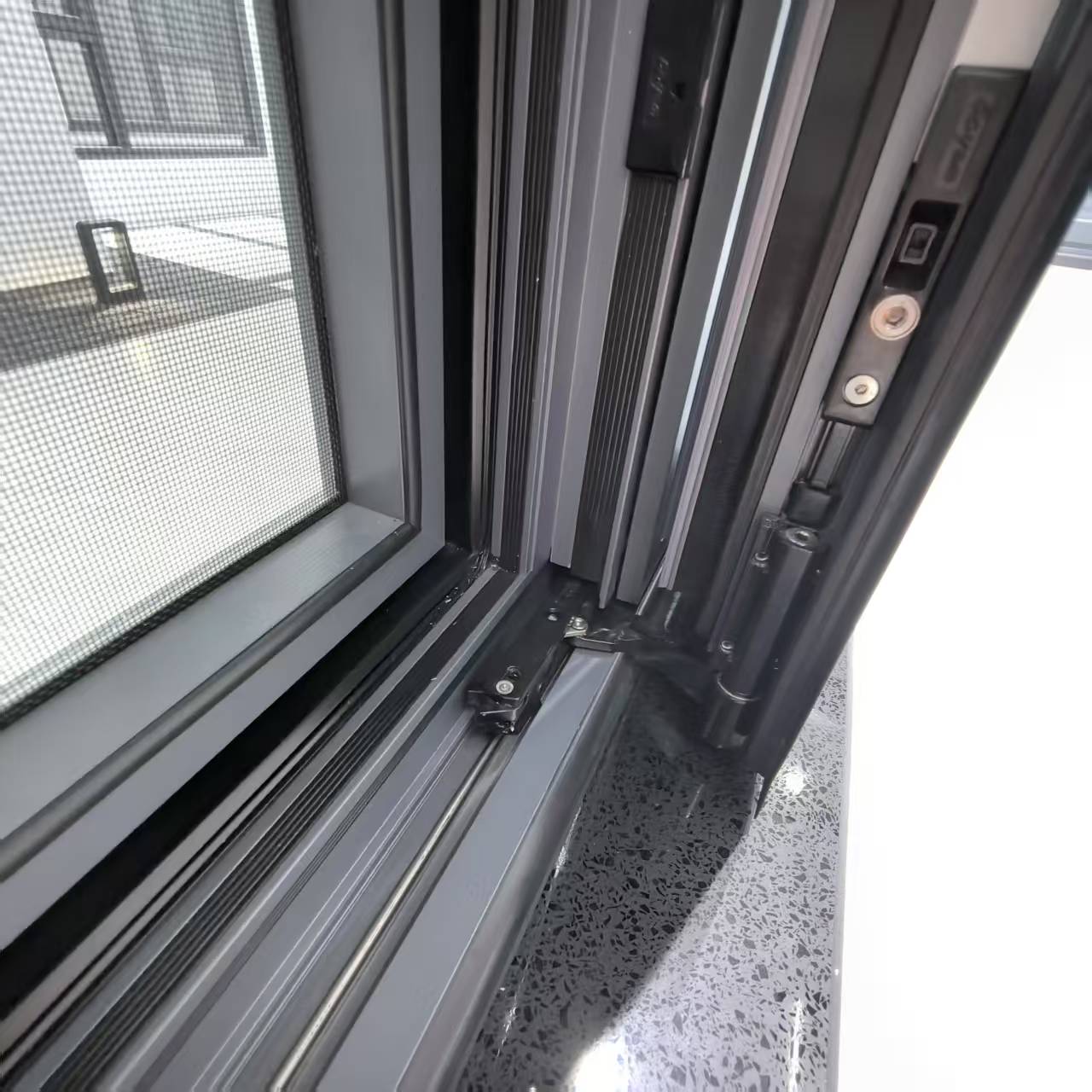
Hinges can sag over time, especially on oversized units, and rotary cranks or gears can strip or fail after 20 to 30 years of use. Almost all mechanical hardware faces degradation by the 40-year mark. To mitigate this, specify high-quality stainless steel hardware and adhere strictly to manufacturer weight and size limits. Zero moving parts means zero hardware failure for fixed units, though seal failure remains a risk for both types.
Lubricate hinges and operator arms annually with a silicone-based spray.
Inspect the multi-point locking keepers for alignment issues caused by house settling.
Clean the sill track to prevent debris from grinding into the bottom hinge mechanism.
Check the compression weatherstripping for tears or flattening every five years.
Many modern hinged units feature specialized hinges that allow the sash to pivot, enabling homeowners to clean the exterior glass from inside the house. Cleaning a fixed unit requires exterior access. For second-story or high-elevation installations, this necessitates ladders, scaffolding, or professional cleaning services.
Hinged units have strict maximum width and weight limitations. If the glass is too heavy, the hinges will warp. Picture windows can be manufactured in massive, custom geometric shapes and sizes, limited only by the structural header capacity and the logistics of transporting the glass to the job site.
To guarantee that your multi-point lock assemblies, rotary gears, and structural joints deliver flawless performance over decades of operation, look to GUANGDONG RUSTIC HOUSE FITINGS. This leading architectural manufacturer specializes in high-durability window components, heavy-duty hinges, and forced-entry resistant mechanisms designed to withstand severe wind loads and daily wear. Choosing the right structural framework prevents mechanical sagging and maintains air tightness for the long haul. Keep these key field-tested steps in mind as you finalize your window plan:
Audit your floor plan to identify which rooms require emergency egress and specify hinged units for those rough openings.
Map your local wind patterns to determine the correct left or right handing for operable sashes to maximize cross-ventilation.
Combine fixed and operable units in large living spaces by mulling a central picture unit with flanking operable sashes.
Verify the weight limits of the specified hardware if you are ordering oversized operable sashes with triple-pane glass.
A: Yes, but it cannot serve as the primary egress point. Bedrooms require at least one operable window that meets local egress codes for emergency exits. You can install fixed units alongside an operable egress unit.
A: Yes, because they swing outward, they can obstruct pathways, decks, or patios. Proper handing and placement planning are essential to avoid collisions with pedestrian traffic or landscaping.
A: Picture windows are slightly better because they have no moving parts and are completely sealed. However, hinged units offer the best energy efficiency among operable windows due to their tight compression seals.
A: Generally, yes. The mechanical hardware, operable sash, and complex frame construction increase the upfront manufacturing and installation costs compared to a simple fixed frame.
A: High-quality cranks can last 20 to 30 years with proper maintenance and lubrication. Cheaper hardware or forced operation against stuck sashes may strip the gears much sooner, requiring replacement parts.


