
English 


Views: 0 Author: Site Editor Publish Time: 2025-11-17 Origin: Site


In modern architecture, windows are not just functional elements—they are integral to a building’s overall aesthetic. Whether it’s providing natural light, offering ventilation, or contributing to the architectural design, windows play a key role in shaping the atmosphere and appearance of a home. Among the many types of windows available today, awning windows stand out for their unique combination of form and function. These windows, which are hinged at the top and open outward from the bottom, offer a distinctive design element that can elevate the style of any space.
Awning windows bring a sleek, contemporary look to modern homes, while also offering practical benefits such as enhanced ventilation and weather protection. Their curved, subtle design can soften the otherwise sharp, geometric lines typical of modern architecture. Whether installed in a living room, kitchen, or bedroom, awning windows have the ability to enhance a home's curb appeal and interior design, creating a space that feels both inviting and stylish.
In this article, we will explore the aesthetic appeal of awning windows in modern architecture, examining their visual impact, design versatility, and how they can be used creatively to complement various styles of modern homes.
Before diving into the aesthetic appeal of awning windows, let’s first define what they are. An awning window is a type of window that is hinged at the top and opens outward from the bottom, resembling the shape of an awning when opened. This design is different from other common window styles, such as casement windows, which open to the side, or sliding windows, which move horizontally.
The window’s outward-opening mechanism is typically operated by a crank handle that makes it easy to open and close the window. Awning windows are often larger than traditional windows and can be installed individually or as part of a larger set. They are popular for their ability to provide excellent ventilation while also protecting the interior from rain, thanks to the awning effect that shields the opening when the window is open.
Awning windows are often associated with their functional benefits, such as improving ventilation and offering protection against the weather. However, they also have a distinct aesthetic appeal that makes them a valuable addition to modern architecture.
One of the key aesthetic benefits of awning windows is their clean lines and sleek design. Modern architecture often emphasizes simplicity, minimalism, and geometric forms. Awning windows naturally complement this design philosophy, thanks to their rectilinear shapes and streamlined appearance. The window frame is typically narrow, which allows more light into the space, and the outward-opening design creates a neat and unobtrusive profile.
In a modern home, awning windows can be used to maintain a minimalist look while still making a visual statement. The clean, simple lines of the window fit seamlessly into contemporary designs, adding elegance without overwhelming the overall aesthetic.
Awning windows can also be used strategically as architectural focal points in a home. Whether positioned above a door, in a series along a wall, or as standalone features, these windows draw the eye upward, creating a sense of height and spaciousness. The unique outward-opening design adds an element of drama and interest, making awning windows more than just functional—they become an integral part of the home’s overall architectural style.
In spaces with high ceilings, for instance, an awning window can emphasize the vertical space, creating a dramatic effect that enhances the grandeur of the room. When installed in living rooms, dining areas, or entryways, awning windows can help establish a visual connection between the indoors and the outside, framing views of the landscape while adding depth and texture to the room.
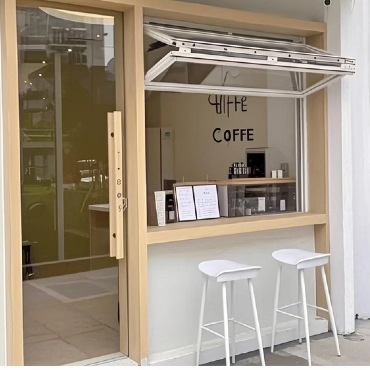
The aesthetic appeal of awning windows is especially prominent when they are incorporated into modern home design. Their ability to offer privacy, light, and ventilation without compromising on style makes them an excellent choice for a variety of modern architectural styles. Here’s how awning windows fit into some common design aesthetics:
Minimalism is all about simplicity, functionality, and clean lines. In minimalist modern homes, the goal is often to create a sense of open space and clarity. Awning windows complement this design perfectly. Their narrow frame and simple mechanism blend seamlessly with the overall minimalist aesthetic, contributing to the uncluttered look.
In a minimalist living room or bedroom, a series of wide, horizontal awning windows can provide natural light while maintaining a subtle, unobtrusive presence. The windows can be placed higher up on the wall, which allows light to filter into the room while maintaining privacy, especially in spaces like bathrooms or urban homes where external visibility may be a concern.
For homes in urban or industrial settings, awning windows offer the perfect combination of modern style and durability. Many industrial-style homes feature raw materials like steel, concrete, and exposed brick. The sleekness and efficiency of awning windows complement these materials, adding a soft touch to the otherwise hard edges of industrial design.
In an industrial loft, for example, large, steel-framed awning windows can provide natural light while reinforcing the space’s open, airy feeling. The window's streamlined design works well with the hard-edged finishes typical of industrial interiors, creating a balanced look that is both stylish and functional.
Mid-century modern homes are known for their emphasis on natural light, open floor plans, and integration with the outdoors. Awning windows can enhance this type of design by offering unobstructed views while maintaining privacy. They allow for the seamless transition between indoor and outdoor spaces, which is a hallmark of mid-century architecture.
A mid-century modern home might feature expansive glass walls or sliding doors that open onto a patio or garden, and awning windows can be incorporated into this design to allow additional light while still offering protection from the elements. When used in a kitchen or living room, these windows can add an elegant touch without disrupting the clean, functional lines typical of mid-century modern interiors.
In more contemporary or transitional styles, where sleek modern elements blend with traditional details, awning windows can serve as a bridge between old and new. These windows add a soft, organic touch to contemporary homes, creating a sense of warmth and texture without disrupting the clean lines of modern design.
In transitional homes, awning windows can be used to bring in natural ventilation while complementing the overall style. For example, in a living room or dining area, an arched or rounded awning window can provide a contrasting design element that adds interest while blending with the rest of the home’s design.
One of the defining features of modern architecture is the emphasis on natural light. Awning windows excel at bringing light into a room without compromising on privacy. Because they open outward, they allow for a significant amount of light to enter a space while still offering a level of protection from the weather.
Awning windows can be placed in a series or as standalone windows, depending on the layout of the room and the desired effect. In areas like living rooms, kitchens, or sunrooms, they can be installed to frame beautiful views of the outdoors while letting in ample sunlight. Their subtle design makes them a perfect choice for creating a connection between the indoors and the outdoors—an essential aspect of modern living.
In large open spaces, such as an open-plan living and dining area, a combination of awning windows and sliding glass doors can create a seamless flow between the indoor and outdoor environments. The result is a bright, airy space that feels connected to nature.
While the aesthetic appeal of awning windows is undeniable, their durability and functionality are equally important. Awning windows are typically made from materials like aluminum, fiberglass, and vinyl, all of which are designed to withstand the elements and provide long-lasting performance.
These materials are highly resistant to weather and wear and tear, making awning windows a reliable choice for any modern home. In addition, the window’s outward-opening design provides extra protection against rain and wind, allowing the window to remain open even during light storms without allowing water to enter.
Awning windows are not just a functional feature of modern architecture—they’re an aesthetic statement. With their sleek lines and clean design, they seamlessly integrate into various architectural styles, whether in minimalist homes, industrial lofts, or mid-century modern houses. These windows offer excellent ventilation, privacy, and weather protection, while enhancing the beauty of any space by bringing in natural light and improving airflow. Awning windows can add a touch of elegance, complementing your overall design for a stylish, balanced look.
When considering awning windows for your home, it's important to choose high-quality, durable materials that will stand the test of time. With proper installation, these windows can become a central element of your home’s design, combining both beauty and functionality. For top-quality window solutions, Guangdong Rustic House Fittings Co., Ltd. offers a wide range of awning windows, providing energy-efficient and sleek designs to transform your living space into a more beautiful and comfortable environment.


