
English 


Views: 0 Author: Site Editor Publish Time: 2025-11-20 Origin: Site


In the world of modern architecture, every square foot counts, especially when dealing with small spaces. Whether you are designing a compact apartment, a tiny house, or a small room, optimizing natural light, ventilation, and aesthetics can be challenging. One solution that has gained popularity in small-space design is the awning window. These windows are not only functional but can also be a key element in enhancing the overall look and feel of small spaces.
Awning windows are hinged at the top and open outward from the bottom, offering several advantages that make them ideal for small rooms and limited areas. Their design maximizes airflow, privacy, and light, all while taking up minimal space. Whether you are remodeling or building a new home, incorporating awning windows into small spaces can help create a brighter, more comfortable, and visually appealing environment.
In this article, we’ll explore how to successfully incorporate awning windows into small spaces. From maximizing natural light to creating privacy, we’ll discuss design tips, ideas, and the benefits of using awning windows in compact areas.
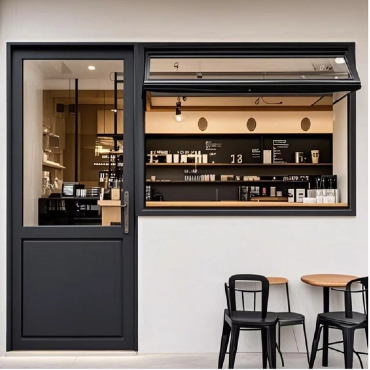
Before we delve into design tips, let’s quickly review what awning windows are. An awning window is a type of window that is hinged at the top, opening outward from the bottom. Unlike traditional windows that slide open horizontally or vertically, awning windows offer a unique outward-opening mechanism. These windows are typically operated by a crank handle that makes them easy to open and close, even in hard-to-reach places.
The key feature of awning windows is their ability to let in fresh air while still offering protection from the weather. When opened, the window creates an “awning” above the opening, shielding the interior from rain, wind, and debris. This makes them especially useful in areas that require ventilation but are exposed to frequent rain or harsh weather.
Awning windows come in a variety of sizes, from smaller units suitable for compact spaces to larger configurations that allow for more airflow and light. In small spaces, choosing the right size and placement is key to getting the most out of these windows.
One of the biggest challenges of small spaces is ensuring they don’t feel dark, cramped, or enclosed. Small rooms, particularly those in urban settings, can often lack sufficient natural light, making them feel smaller and less inviting. Awning windows can help overcome this problem by allowing more light to enter the room
Awning windows are perfect for creating bright, airy spaces, even in small rooms. Because they are hinged at the top, awning windows can be placed higher on the wall, allowing light to filter into the room while preserving privacy. In spaces where wall space is limited or where the view outside might not be ideal, placing an awning window at a higher position on the wall is a great way to bring in natural light without giving up your privacy.
In kitchens or living rooms, installing awning windows higher up can make the space feel more expansive by allowing sunlight to flood the room. If your home is in an area where privacy is a concern—such as a busy street or close quarters—placing these windows near the ceiling is an ideal solution to enhance natural lighting without the worry of prying eyes.
In small spaces where you want to enhance your connection to the outdoors, awning windows can provide beautiful views while maintaining a sense of openness. Installing a row of awing windows along the top of a wall can help you frame a view of a garden, courtyard, or urban landscape without using up valuable floor space.
Additionally, awning windows are particularly useful for small spaces in areas with unpredictable weather. They allow you to keep windows open for ventilation during a light rain, keeping the interior dry while still enjoying the outdoors. This is especially useful for small living rooms, bedrooms, or kitchens, where you may want to bring in fresh air but are concerned about rain or debris.
Ventilation is a crucial aspect of any living space, especially in small rooms where air circulation can be limited. Poor ventilation can lead to discomfort, moisture buildup, and even mold issues, making it essential to include windows that facilitate airflow.
Awning windows are an excellent choice for improving ventilation in small spaces. Their outward-opening design allows fresh air to enter the room while keeping rain and debris out. This feature makes them particularly useful in small bathrooms, kitchens, or laundry rooms, where humidity levels can be high.
If you have a small apartment or room with limited windows, you can maximize airflow by installing awning windows on opposite walls to create cross-ventilation. Cross-ventilation is the process of allowing air to flow freely through a room from one window to another, which helps cool down the space and improve air quality. By placing awning windows on adjacent walls or opposite sides of a room, you can enhance the natural airflow without needing to sacrifice precious space.
In spaces like bathrooms or kitchens, where you may need to reduce moisture, opening an awning window can quickly help clear out humidity and prevent mold from forming. Additionally, the crank mechanism makes it easy to open the window slightly, allowing you to control the amount of ventilation needed.
Awning windows also play a role in enhancing your home’s energy efficiency, particularly in small spaces that are tightly insulated. Their ability to open outward creates a natural flow of air that can cool down the room during warmer months. This means you may not have to rely as heavily on air conditioning, which can save energy and reduce cooling costs. The weather-resistant design of awning windows also helps prevent drafts during colder months, which can further improve your home’s energy efficiency.
In many small spaces, especially those in densely populated urban areas, privacy is a top concern. Awning windows offer an effective solution because they can be installed higher up on the wall, making it harder for people outside to see in. This added level of privacy is perfect for bedrooms, bathrooms, or areas where you don’t want neighbors or passersby to have a clear view inside.
Additionally, the unique design of awning windows provides excellent weather protection. When the window is open, the top-mounted hinge and outward-opening design create a protective “awning” that shields the opening from rain and wind. This allows you to enjoy fresh air even during a light rain, something that would be difficult with other window styles.
In small spaces, placement is everything. For maximum privacy, install awning windows higher on the wall. This works particularly well in bathrooms or bedrooms, where you may want to avoid exposure to neighbors or people walking by. In addition to allowing in natural light and ventilation, these high-positioned windows maintain a sense of seclusion.
Awning windows are also perfect for ground-floor rooms, such as small living rooms, home offices, or studies, where security might be a concern. Because these windows open outward and can be locked in place, they provide a secure and private option for ventilation without compromising safety.
Awning windows are incredibly versatile and can be incorporated into almost any small space. Here are some design ideas and tips for integrating them into your home:
In rooms with high ceilings, such as a loft or open-plan living space, installing awning windows along the top of the wall can draw the eye upward and add a sense of grandeur to the space. This design choice can also help balance out the verticality of a room while letting in plenty of natural light.
To create a dynamic visual effect in small spaces, consider pairing awning windows with other types of windows, such as picture windows or fixed windows. For example, a large picture window can frame a beautiful outdoor view, while awning windows placed underneath or to the side can provide ventilation without obstructing the view. This combination of windows helps create a spacious, open feel.
In modern, minimalist interiors, awning windows can complement the clean lines and open floor plans. Pairing these windows with neutral color palettes and sleek furnishings can enhance the sense of simplicity and sophistication in your small space. Whether in the kitchen, living room, or bedroom, awning windows can add a touch of elegance while maximizing the functionality of the room.
Incorporating awning windows into small spaces is an effective way to enhance the aesthetic appeal, ventilation, and privacy of your home while maximizing the use of available space. Their sleek design, ability to bring in natural light, and weather-resistant features make them an ideal choice for small rooms and apartments. By positioning them in high or strategic locations, awning windows can provide privacy, airflow, and energy efficiency—all without taking up precious floor space.
Whether you’re redesigning a small bedroom, updating your kitchen, or installing windows in a compact apartment, awning windows can provide a stylish and functional solution to your design challenges. By following these tips and ideas, you can create a bright, airy, and comfortable space that makes the most of every square inch.
When considering awning windows for your home, make sure to choose high-quality materials and professional installation to ensure that they serve both your design and functional needs effectively.


