
English 


Views: 0 Author: Site Editor Publish Time: 2026-04-28 Origin: Site


A front entrance that feels too cold in winter or too warm in summer usually has more to do with sealing, glazing, and construction than with appearance alone. That is why heat insulated double arched front doors insulation matters for homeowners who want the entry to feel as comfortable as the rest of the house. Insulation is not one hidden feature inside the door. It comes from the door slab, the glass, the frame, the threshold, the seals, and the quality of installation working together. For residential projects that expect both visual impact and practical performance, Guangdong Rustic House Fitings Co., Ltd. treats insulation as part of the full entry solution.
The main body of the door does much of the insulation work. Many people focus on the outside look first, but the door leaf is where heat transfer starts to slow down. A stronger build helps separate outdoor temperatures from indoor living conditions, which is especially important at the entrance.
A well-built door leaf also feels more stable in daily use. It closes more solidly, resists deformation better, and helps reduce the temperature imbalance people often notice around foyers and entry halls. This matters even more in double-door systems. A larger entrance creates a stronger visual effect, but it also increases the area where thermal performance matters.
Glass improves the look of an entry, but it also affects insulation directly. Large glazed areas without the right specification can make the front of the house feel less stable in temperature, especially when the entry receives strong sun or seasonal wind. In a double arched entrance, the glass is often part of the elegance, so it has to support comfort as well.
This is where double glazing and insulated glass matter. A better glass package helps reduce heat transfer and makes the area near the door feel more consistent. It also allows the entrance to stay bright without becoming a weak point in the thermal envelope of the home.
Many drafts do not come through the center of the door. They come from the edges. That is why seals, thresholds, and frame fit are just as important as the slab or the glass. A door with good materials can still feel disappointing if the perimeter is not designed and installed well.
The frame has to align correctly with the opening, and the seals must create dependable closure around the edges. The threshold matters too, because air movement often happens at the bottom of the entry. When these parts work together, the door feels tighter, more solid, and less affected by outside temperature swings.
A front door can look substantial and still perform poorly if there are gaps around the opening. Even a well-made product loses value when the fit between frame and wall is not handled properly. Small spaces around the perimeter allow outside air to move inward, which is why a doorway may feel drafty even when the door itself appears thick and solid.
This is common in renovation work, older buildings, or projects where site conditions are not fully considered. Uneven openings, weak installation details, or rushed sealing can all reduce thermal performance.
Glass that looks elegant on paper may not perform well in daily use if the specification is too basic for the project. Larger glazed areas need proper thermal planning, especially on entries with direct sun exposure or noticeable seasonal change. If the glass is not matched to the conditions, the entry may feel too warm during bright afternoons or less comfortable during colder months.
This does not mean glass should be avoided. It means the design should use the right glazing for the size and function of the entrance.
Even a strong door system depends on lasting sealing quality. Over time, lower-grade seals can lose effectiveness, which makes the entrance feel less controlled. Homeowners may notice slight drafts, more dust movement, or a weaker sense of closure when the door is shut.
That is why long-term insulation depends not only on the first installation, but also on whether the sealing system is built for lasting use.
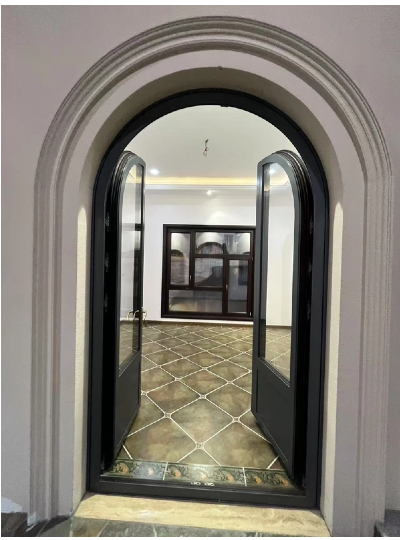
When people compare insulated front doors, one useful idea is U-factor. In simple terms, it describes how easily heat moves through the door system. A lower value usually means the assembly is better at resisting heat transfer, which helps the entrance stay more stable in different seasons.
Homeowners do not need to make this too technical. The practical point is simple: better resistance to heat movement usually means better comfort near the entry.
Another useful term is solar heat gain coefficient, often shortened to SHGC. This matters most when the entrance receives a lot of direct sunlight. It relates to how much solar heat passes through the glass. On a bright façade, this can strongly affect how the entry feels during sunny hours.
For homes with larger glazed door designs, this factor becomes more important. A balanced glass choice can help the entrance stay bright without becoming uncomfortably warm.
Element | What It Does | What the Homeowner Feels |
Door leaf and core build | Slows heat transfer through the main door body | A steadier indoor feel near the entrance |
Insulated glass | Improves thermal performance in glazed areas | More comfort without giving up light |
Frame fit | Keeps the door aligned and sealed properly | Less draft around the perimeter |
Weather seals | Blocks unwanted air movement | A tighter and more secure closure |
Threshold design | Reduces air leakage at the bottom of the door | Less cold or warm air movement at foot level |
Better thermal planning | Balances structure, glass, and sealing together | A more comfortable and reliable entry space |
The biggest change is usually comfort that feels quieter and more consistent. A better-insulated entry does not react as sharply to outdoor temperatures. The foyer feels less exposed, and the transition between inside and outside becomes smoother. This is especially noticeable in homes where the entrance opens directly into a living space.
That steadier feel improves the whole impression of the house. When the area near the entry no longer feels too cold in one season or too warm in another, the home feels better finished.
Better insulation can also support other comfort gains. A more solid, better-sealed entrance often helps reduce outside noise at the front of the house, which makes the entry feel calmer. It can also lower the chance of condensation around glass or exposed surfaces when conditions are challenging.
Homeowners do not experience insulation as a technical number. They experience it in daily life through a quieter, steadier, and more protected entrance.
The larger the entrance, the more important thermal planning becomes. Double arched systems create generous openings and strong visual appeal, but they also mean more surface area where insulation matters. A larger door should not only look impressive. It should still feel controlled and comfortable when the weather changes.
Insulation improvements are often most noticeable on entrances that face changing weather directly. Wind, sun, rain, and seasonal variation all make the front door work harder. Homes in mixed climates, or those with entries more exposed to the outdoors, benefit clearly from stronger sealing and better glazing choices.
In these projects, insulation is not a minor upgrade. It is part of making sure the front of the house performs as well as it looks.
Good insulation does not come from one isolated feature. It comes from the full door system working together, which is exactly why heat insulated double arched front doors insulation should be judged by slab build, glazing, seals, frame fit, threshold design, and installation quality as one complete solution. Guangdong Rustic House Fitings Co., Ltd. develops residential entry systems around insulated glazing, reliable sealing, water resistance, and customized proportions so the entrance can feel more comfortable as well as more refined. If you are planning a project and want a tailored Heat Insulated Water Resistant Double Arched Front Doors solution, contact us to discuss the right design for your home.
Yes. When the slab, glass, frame, and seals work together well, the entry usually feels more stable in temperature and less affected by drafts.
Because many drafts come from the perimeter, not the center. Poor frame fit, weak weather seals, and threshold leakage can all reduce comfort.
Not necessarily. Glass can still perform well when the right insulated glazing is used for the size and exposure of the entrance.
It matters most on large entry openings, sun-exposed façades, windy locations, and homes where the front door opens directly into the main living area.


