
English 


Views: 0 Author: Site Editor Publish Time: 2025-11-08 Origin: Site


When it comes to designing or renovating a home, one of the most impactful choices you'll make is selecting the type of windows. Windows do more than just let in natural light and provide ventilation—they also play a significant role in the overall aesthetic and functionality of your space. Among the many window designs available, arched windows and traditional windows are two of the most popular options. Each brings its own unique characteristics, advantages, and challenges.
If you're torn between arched windows and traditional windows, you're not alone. Both styles have their merits, and the right choice for you will depend on your home’s architecture, your personal style preferences, and your functional needs. In this article, we’ll compare arched windows and traditional windows, highlighting their key features, benefits, and potential drawbacks to help you determine which design is best suited to your home.
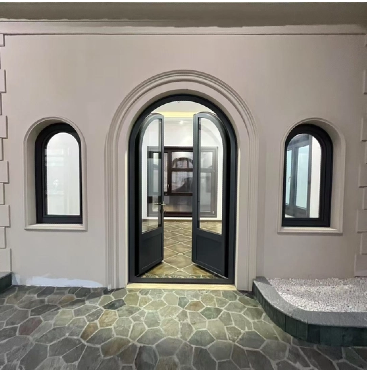
Arched windows are characterized by their curved, rounded tops. They typically feature a semi-circular or elliptical shape, although the arch can vary, ranging from subtle curves to more dramatic Gothic or Romanesque forms. Arched windows are often seen in homes that want to add a touch of elegance and sophistication, but they can work in a variety of settings, from traditional to contemporary homes.
Historically, arched windows were a staple in Romanesque and Gothic architecture, appearing in churches, cathedrals, and castles. These windows were designed to let in maximum light while providing structural support to the building. In modern homes, arched windows have been incorporated to add visual appeal, elevate a room’s ambiance, and frame scenic views.
Traditional windows, in contrast, are typically rectangular or square in shape. They are the most common window design and are found in homes worldwide. Traditional windows come in various forms, including double-hung windows, casement windows, sliding windows, and fixed windows. These designs feature straight lines and offer a more classic or neutral appearance compared to the curving elegance of arched windows.
Although traditional windows lack the dramatic flair of arched windows, they are highly versatile and functional. They work well in a wide range of architectural styles, from colonial and Victorian to modern and contemporary designs. Thanks to their simplicity and ease of installation, traditional windows are often the go-to choice for many homeowners.
One of the biggest distinctions between arched and traditional windows is their aesthetic appeal. Arched windows are often seen as elegant and dramatic. The curvature of the arch draws attention and adds a distinctive architectural feature to any room. This design element can transform a plain wall into a striking focal point, adding depth and visual interest. Arched windows are often used as a statement piece, especially in living rooms, entryways, or dining rooms, where you want to create a sense of grandeur or sophistication.
In contrast, traditional windows offer a more subtle, timeless look. The straight lines of rectangular windows may appear less dramatic but are still highly functional and versatile. Traditional windows complement nearly any style of architecture, from modern to classic homes. While they may not provide the same “wow” factor as arched windows, traditional windows are well-loved for their simplicity and classic charm.
Choose arched windows if you want a bold, elegant design that makes a statement and adds architectural sophistication to your space.
Choose traditional windows if you prefer a more classic, timeless look that fits well in virtually any type of home and suits a variety of interior designs.
Another key consideration when choosing between arched and traditional windows is the amount of space available. Arched windows are often larger in size due to their curved top, which can make them more challenging to incorporate into smaller spaces. If you have a spacious room or a high ceiling, an arched window can create a dramatic effect, drawing the eye upward and enhancing the feeling of openness. Arched windows can also make a small room feel more expansive, thanks to their unique design that draws attention to height rather than width.
Traditional windows, however, are available in a variety of sizes and configurations, making them more adaptable to different room dimensions. Whether you have a small bedroom, a narrow hallway, or a large living room, traditional windows can fit into any space with ease. Their straight edges make them easy to incorporate into both tight areas and larger, more open spaces without overpowering the room’s overall design.
Choose arched windows if you have a large room or open space that can accommodate a grand feature window.
Choose traditional windows if you have limited space or smaller rooms where you need a more practical and flexible window design.
Both arched and traditional windows provide natural light, but the amount and quality of light each type allows can vary depending on the design, size, and placement of the window.
Arched windows are typically taller and wider than traditional windows, meaning they allow for more light to enter the room. Their curved shape can help to diffuse the sunlight, creating a soft, natural glow that illuminates the entire room. In rooms with low ceilings, an arched window can create the illusion of height, making the room feel more open and airy. Arched windows are often used in spaces where maximizing light is a priority, such as living rooms, sunrooms, or kitchens.
On the other hand, traditional windows offer excellent ventilation and natural light but in a more controlled, structured manner. Since traditional windows come in a variety of configurations—such as double-hung or casement windows—they can be easily opened to provide airflow and regulate indoor temperatures. If you need a window that can open wide to let in fresh air, a traditional window may be a better option.
Choose arched windows if you want more natural light and an expansive feeling in larger rooms, with the added benefit of the window’s visual drama.
Choose traditional windows if you need flexibility in ventilation or live in a climate that requires the ability to open windows for cooling and air circulation.
In terms of energy efficiency, both arched and traditional windows can be equipped with double or triple glazing for better insulation and protection. However, because arched windows are often larger and more complex, they can be more difficult to seal properly, which may lead to greater energy loss compared to traditional windows. Poorly insulated arched windows could result in drafts, especially if the seals deteriorate over time.
Traditional windows are often easier to install and seal, and their straight edges make them simpler to fit into the framework of a house. Modern double-hung or casement windows offer excellent insulation and are less likely to develop air leaks. If you’re looking to reduce heating and cooling costs, properly insulated traditional windows may be a better option.
Choose arched windows if energy efficiency is less of a concern for you or if you're willing to invest in higher-quality materials and installation to ensure proper sealing.
Choose traditional windows if energy efficiency and ease of maintenance are top priorities.
The installation and maintenance of arched windows typically require more effort and expertise than traditional windows. Due to their complex design, arched windows need custom frames, which can make the installation process more time-consuming and expensive. Additionally, maintaining arched windows can be challenging because of their shape and size, especially when it comes to cleaning the curved glass or ensuring that the window’s seals remain intact.
Traditional windows are relatively easy to install and maintain. They have simple, straightforward frames that are easier to work with, and most homeowners can clean or repair them without much difficulty. Additionally, because traditional windows are so common, you can easily find replacement parts and repair services when needed.
Choose arched windows if you’re willing to invest the time and money into installation and are okay with regular maintenance to preserve their beauty.
Choose traditional windows if you prefer a more low-maintenance option that’s easier to install, repair, and clean.
When deciding between arched windows and traditional windows, the choice ultimately comes down to personal preference, space limitations, and functional needs. Arched windows add a unique, elegant touch to any room and are perfect for those who want to make a bold design statement and enhance their home’s visual appeal. They are ideal for larger spaces where their beauty and grandeur can shine.
Traditional windows, on the other hand, offer practical benefits such as versatility, energy efficiency, and ease of maintenance. If you need a simple, reliable window design that works in various spaces, traditional windows are likely your best bet.
Both options have their advantages, so take your time to weigh the pros and cons before making a decision. Whether you go for the timeless elegance of arched windows or the classic functionality of traditional windows, the right choice will help you create a comfortable, stylish, and well-lit home.


